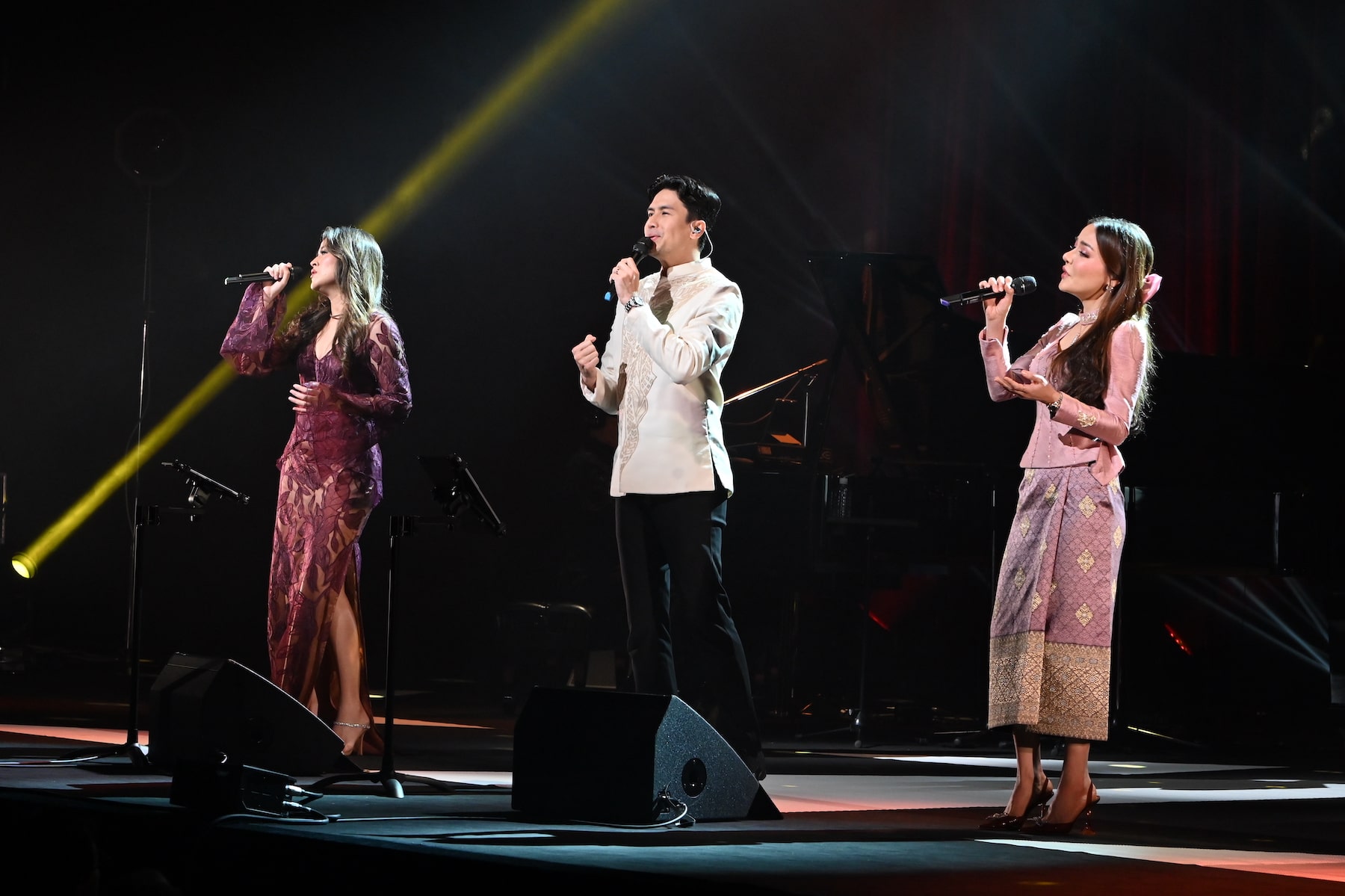
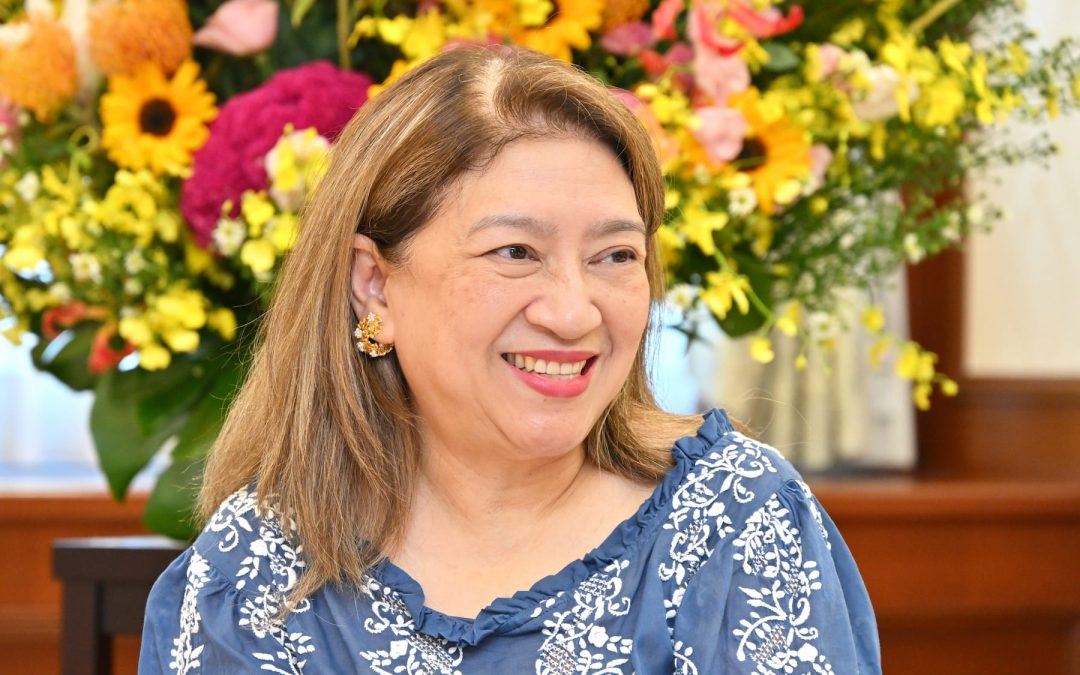
On the occasion of the 70th anniversary of the normalization of diplomatic relations between the Philippines and Japan, the Min-On Concert Association had the privilege of interviewing Her Excellency Mylene J. Garcia-Albano, Ambassador Extraordinary and Plenipotentiary of the Republic of the Philippines to Japan.
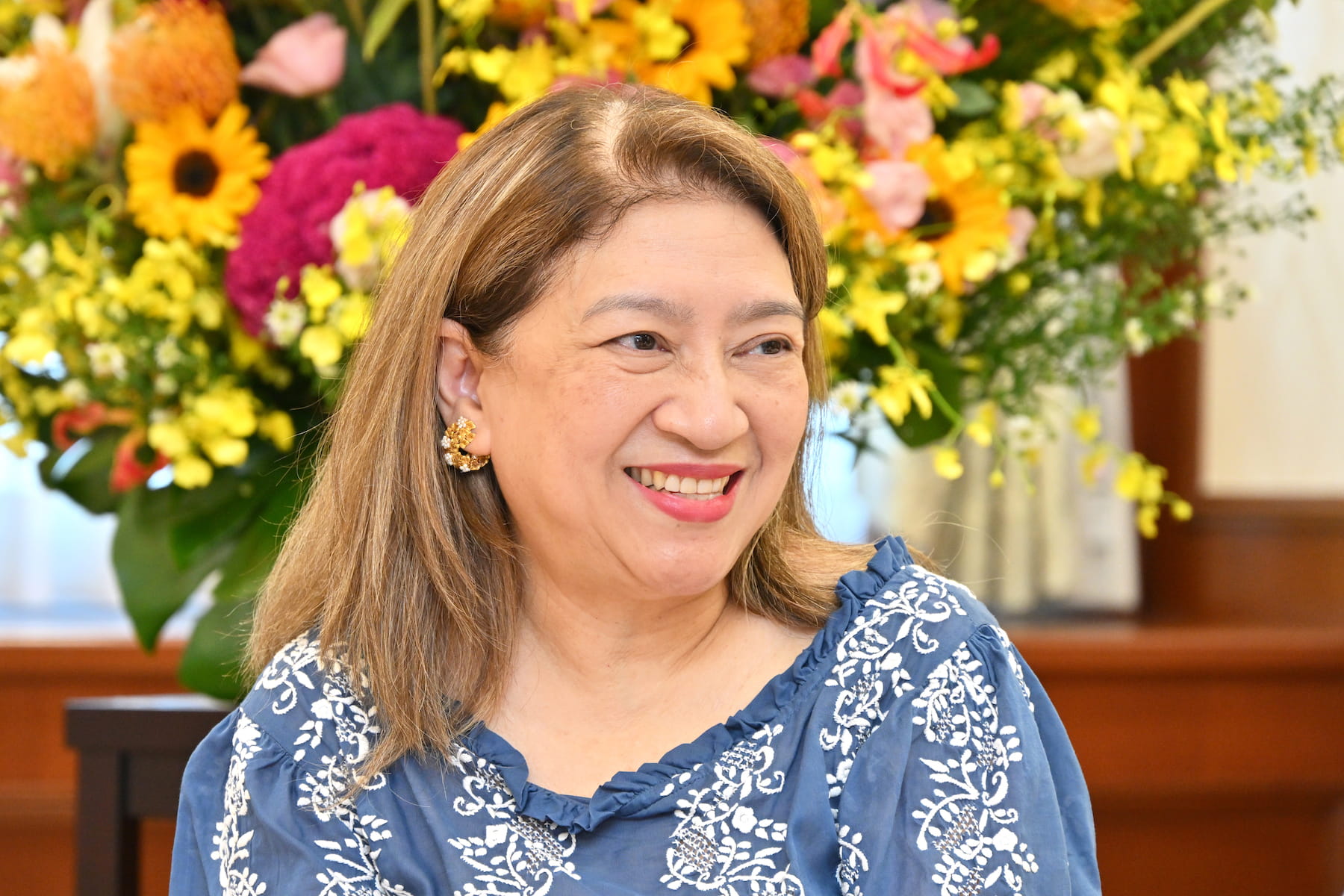
◆ Watch the interview highlights
MIN-ON: Thank you very much for giving us this opportunity to interview you. As 2026 marks the 70th anniversary of the normalization of diplomatic relations between Japan and the Philippines, could you share what initiatives the Embassy is focusing on to further deepen the friendship between our two countries?
Ambassador H.E. Mylene J. Garcia-Albano: Thank you very much. Yes, indeed, this year we are celebrating the 70th anniversary of diplomatic relations between our two countries. Over these decades, our relationship has evolved from post-war reconciliation into what is today one of the most dynamic partnerships in the Indo-Pacific between the Philippines and Japan.
We are certainly very pleased about this and look forward to further expanding our friendship and cooperation beyond where we stand today. Throughout the year, we have many events planned, all aimed at highlighting the special relationship we share and continuing to reach out not only to our government partners but also to the private organizations and companies that have long supported the Philippines.
We hope that many of you will be able to take part in some of these activities as well. We are also very grateful for the opportunity to work with Min-On, and we sincerely appreciate the friendship and support you have shown to the Embassy.
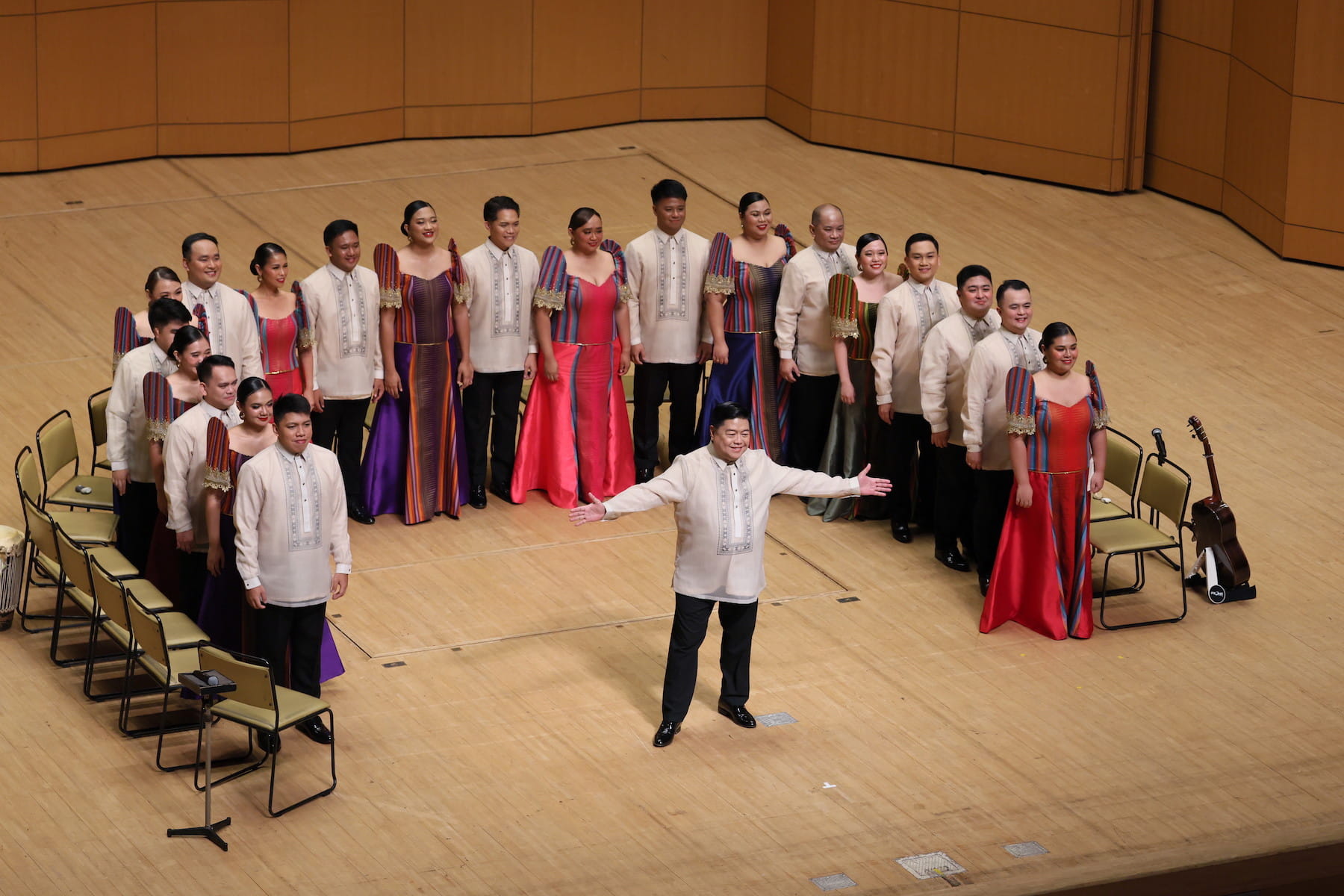
MIN-ON: Min-On has invited many artists from the Philippines over the years, and in 2016 we had the honor of presenting the Bayanihan Philippine National Dance Company in Japan. Could you please explain what “Bayanihan” means and the values it represents? How do you think this spirit is reflected in society today?
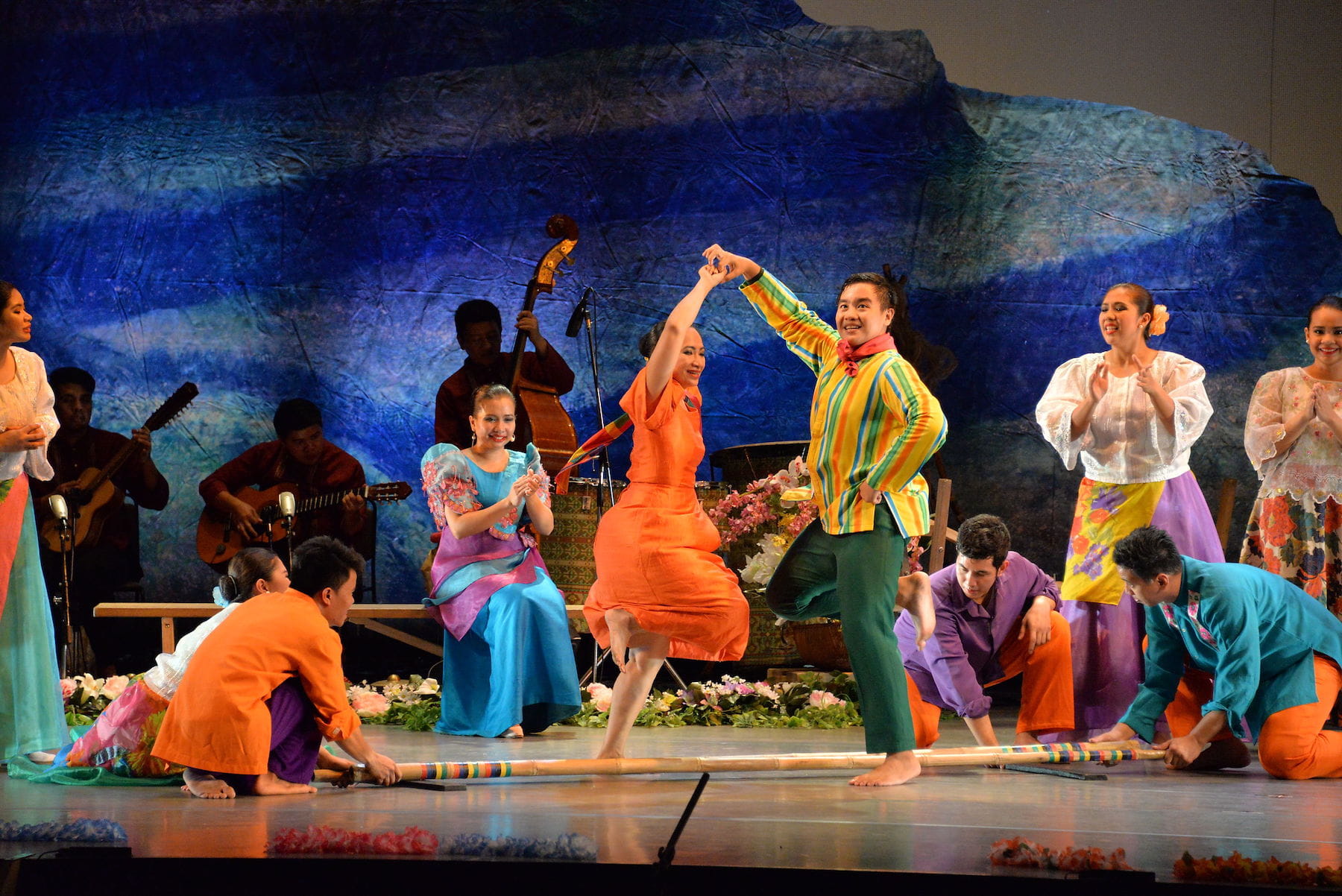 The Bayanihan Dance Troupe in 2016
Ambassador: The concept of Bayanihan is a long-standing tradition in the Philippines. The word “Bayanihan” comes from the root word bayani, which means “hero.” It reflects the spirit of people working together to achieve a common goal.
We see this spirit in action in the Philippines, especially during times of hardship or distress. People naturally come together to help one another. This is particularly evident during disasters—such as typhoons and other difficult situations—when communities band together, contributing food, materials, and support to accomplish tasks that would be difficult to achieve alone but become possible through collective effort.
We see the spirit of Bayanihan not only in the Philippines but wherever Filipinos are found. Here in Japan, for example, we hold the Philippine Festival every year in late November or December. It is organized by the Philippines Assistance Group, an umbrella organization of Filipino associations here in Tokyo. Through this festival, different groups come together to bring a slice of the Philippines not only to Filipinos living here, but also to the Japanese community.
We commend them for continuing this effort. The proceeds from the festival are used to support fellow Filipinos who may find themselves in need during their time in Japan. In this way, we see the spirit of Bayanihan truly at work.
MIN-ON: We often hear that music is deeply woven into people’s lives in the Philippines. What role does music play in the daily lives of Filipino people?
Ambassador: I think Filipinos use music as a powerful form of expression. Here in Tokyo, for example, there are several Catholic churches, and in many of them the choirs are made up mostly of Filipinos. I think we use music as a way of expressing our feelings. I once heard a priest say that singing is equivalent to “praying twice.” When you pray, you offer your words, but when you sing, you are praying while also expressing your deepest feelings—your longings and your love—even to the Lord.
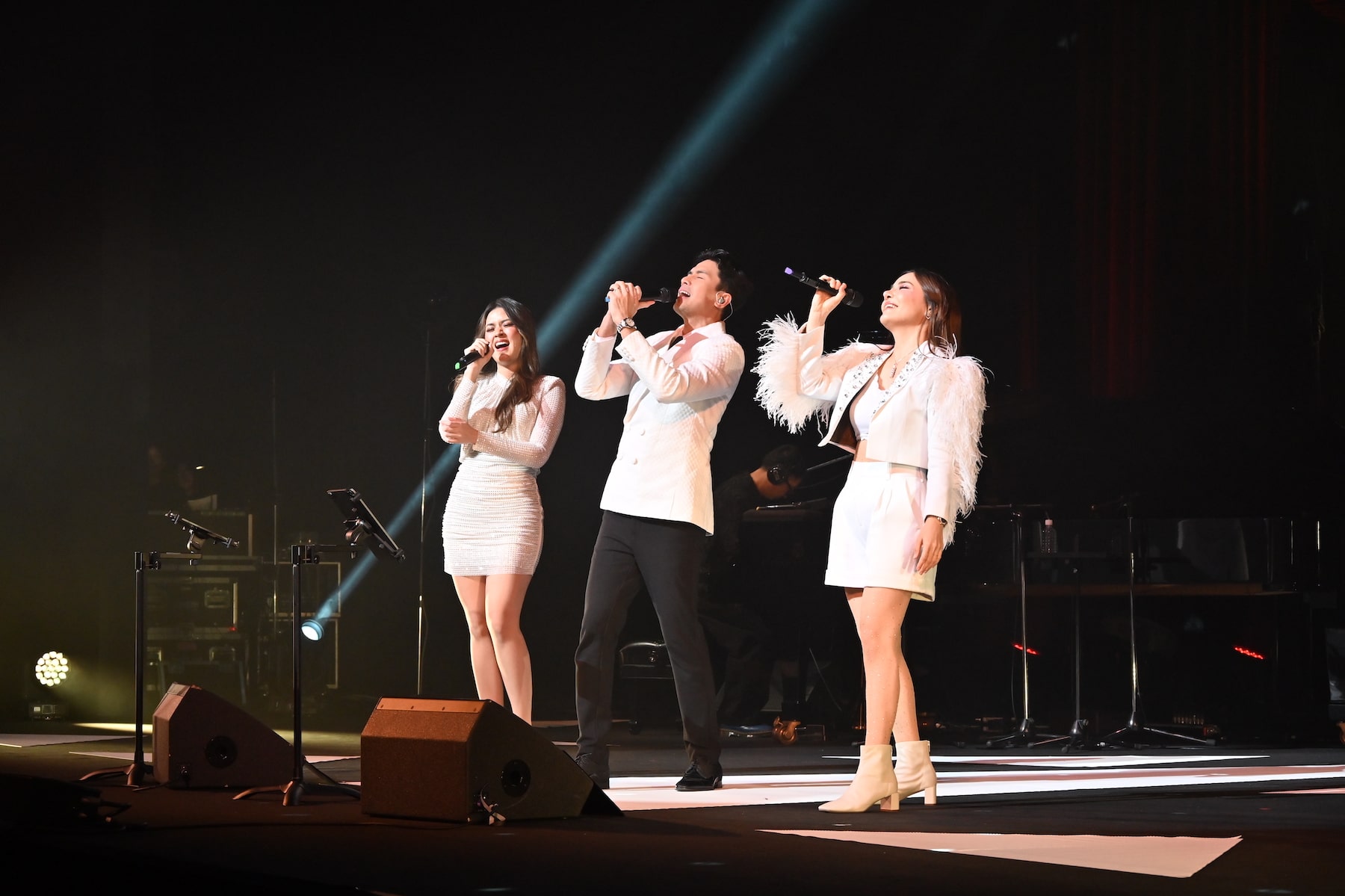
Filipinos really use music in that way. Karaoke, for example, is extremely popular in the Philippines—many homes even have their own karaoke machines. We also see here in Japan how popular karaoke is. Filipinos are also very active in singing contests. For instance, I believe that last year the winner of The Voice was a Filipino, and we were very proud of that. Wherever we go, Filipinos bring our love for music with us.
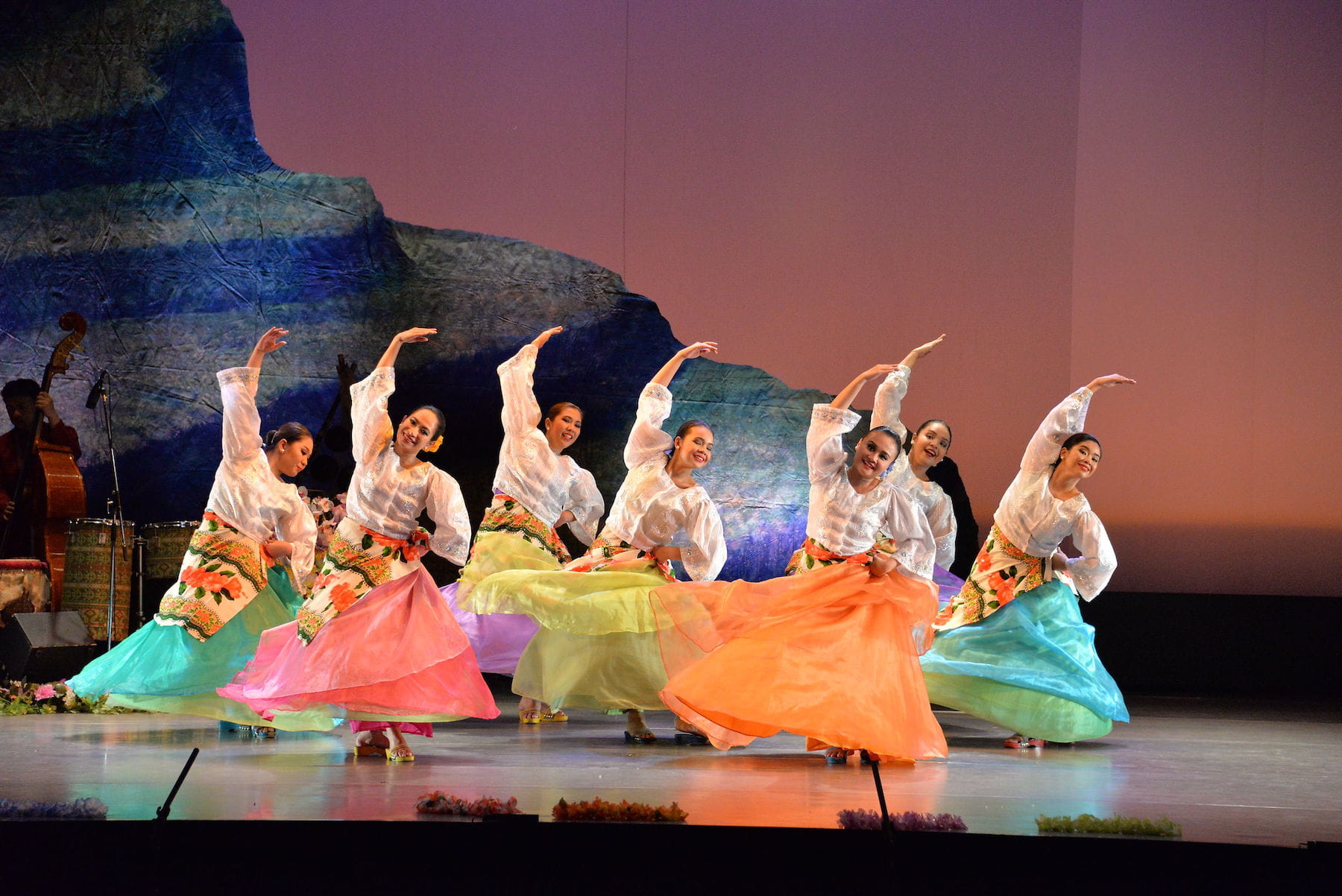 The Bayanihan Dance Troupe in 2016
MIN-ON: What role do you think cultural exchange plays in strengthening the friendship between our two countries? Also, what are your hopes for Min-On in the future?
Ambassador: I think the fact that there are now around 350,000 Filipinos in Japan is also a testament to the cultural exchange that has been taking place between the people of our two countries. More than anything else, cultural exchange allows people from different cultures and nations to learn more about one another. For Filipinos living in Japan, cultural exchange also helps them integrate more easily into society. They learn from Japanese culture, while at the same time Japanese people gain a deeper understanding of the Philippines through the many Filipinos living here and through their ongoing interactions with Japanese friends and communities.
We are also fortunate that there are many scholarship programs available, not only from the Japanese government but also from private institutions. These programs allow Filipinos to come to Japan and learn not only about the culture, but also to pursue their fields of study. Through these opportunities, they are able to expand their knowledge and broaden their professional networks in their respective fields. This is one of the key ways we see cultural exchange fostering closer ties between our two countries.
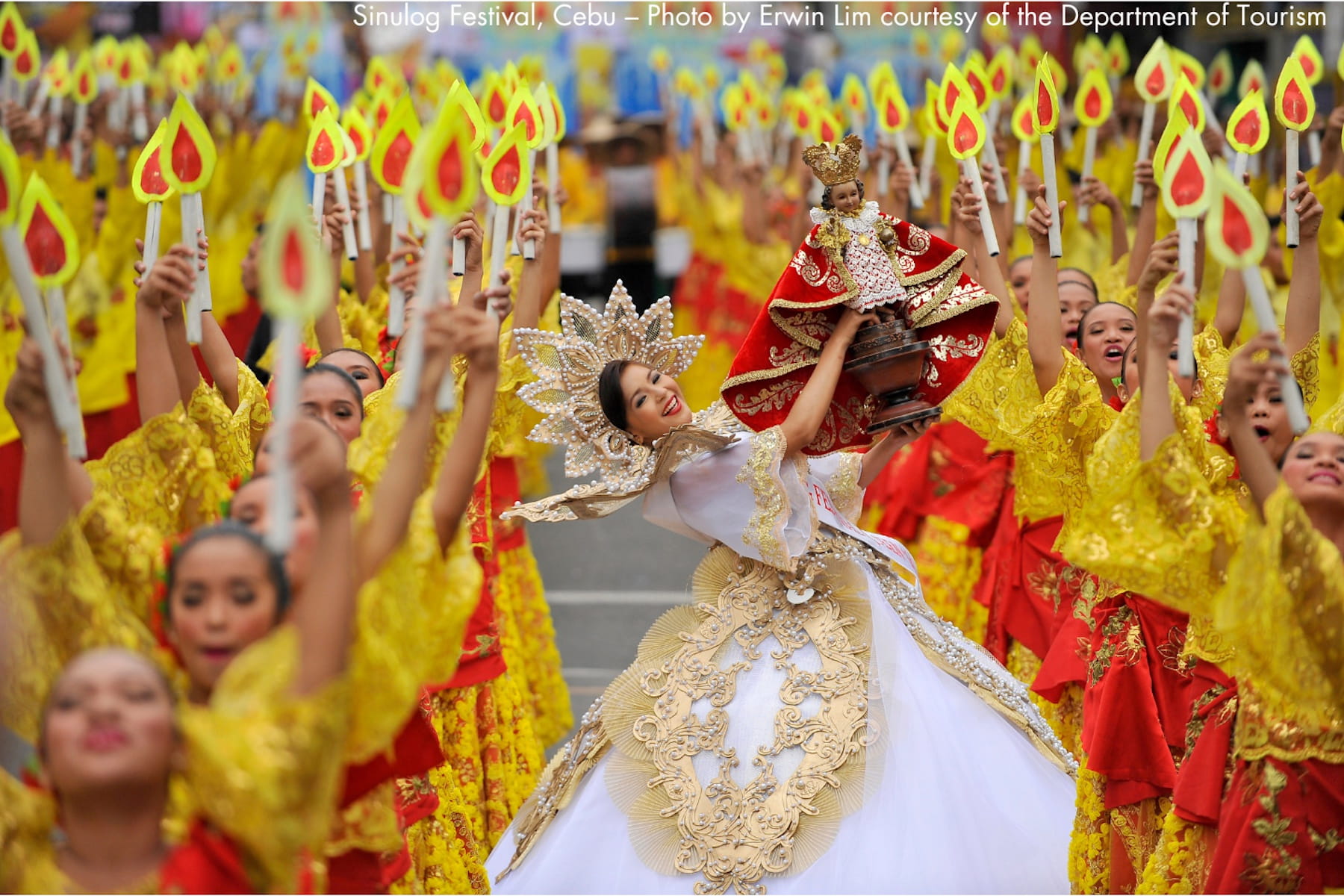
As for Min-On, I hope that we can continue working together and supporting one another in promoting the causes and initiatives that we both value. I know that Min-On has been very active in supporting Filipino groups as well. In the past, you have brought many Filipino musicians to Japan, and we are truly grateful for that. This is another way for us to showcase our culture and share our friendship, not only with people in Japan but also with audiences elsewhere. It is also a wonderful opportunity to bring Filipino singers here so that more people can discover our music and, through it, gain a deeper appreciation of our culture.
MIN-ON: Finally, could you share a message for our readers and viewers?
Ambassador: I would like to warmly invite everyone to take part in the many activities we have planned to celebrate the 70th anniversary of the normalization of diplomatic relations between the Philippines and Japan. Please feel free to visit our social media platforms—we are on Instagram and Facebook—as well as our website, where we regularly share information about our events and activities. We encourage everyone to follow these channels, stay informed, and join us in celebrating this special milestone throughout the year.
◆ Min-On Music Journey: Philippines Edition
If you have any comments regarding this article, please feel free to email us at publicrelations@min-on.or.jp
Min-On Concert Association
-Music Binds Our Hearts-