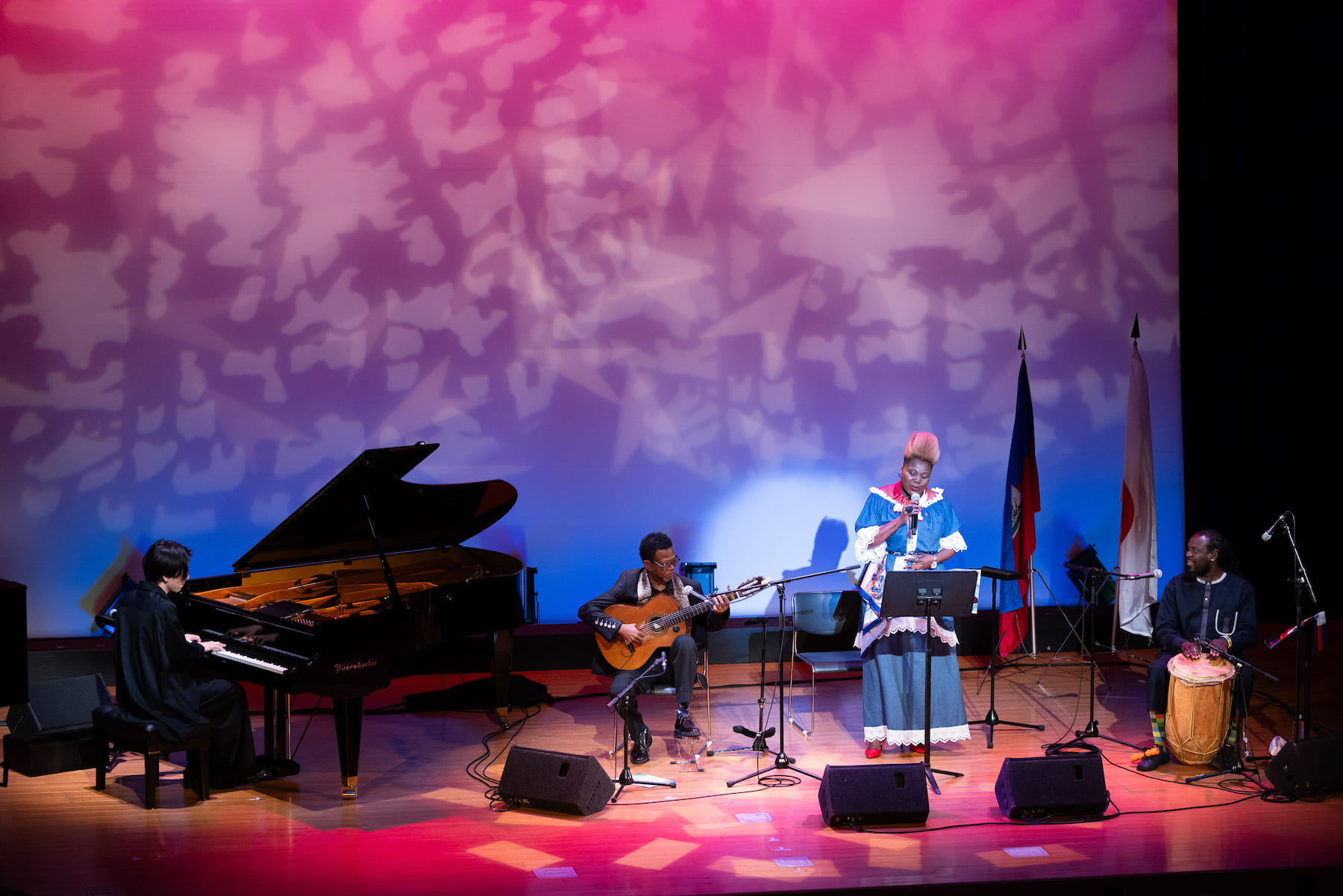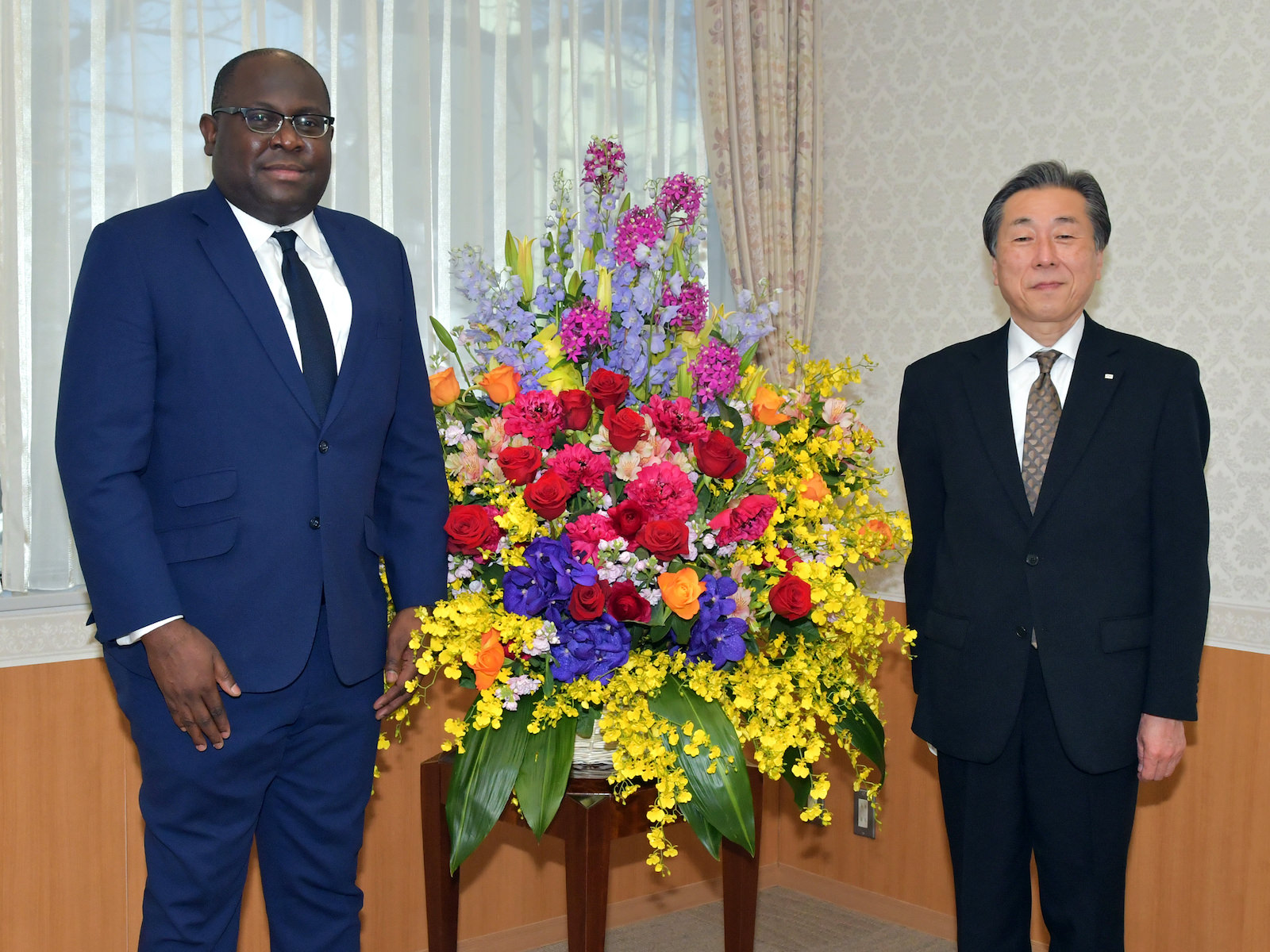
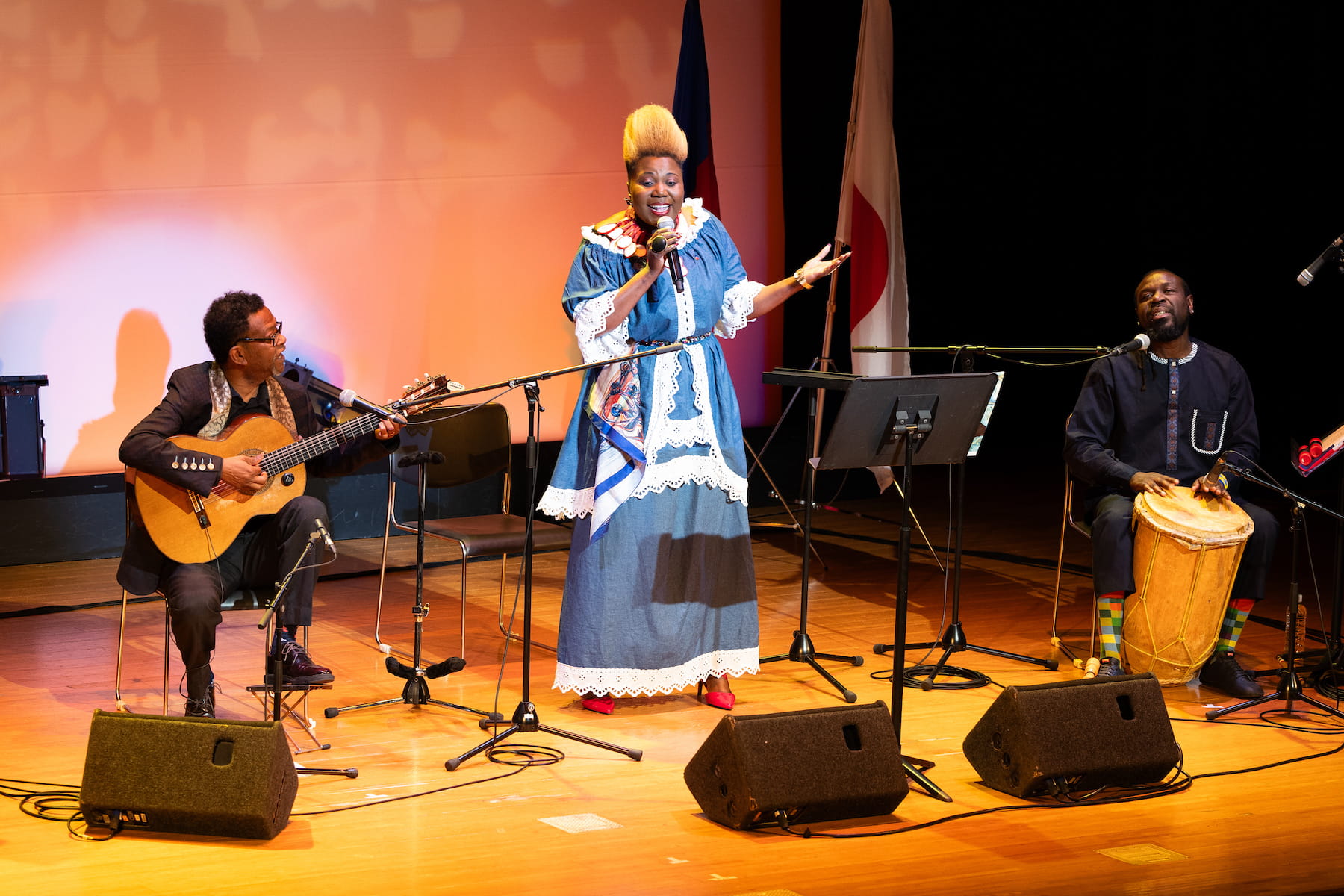
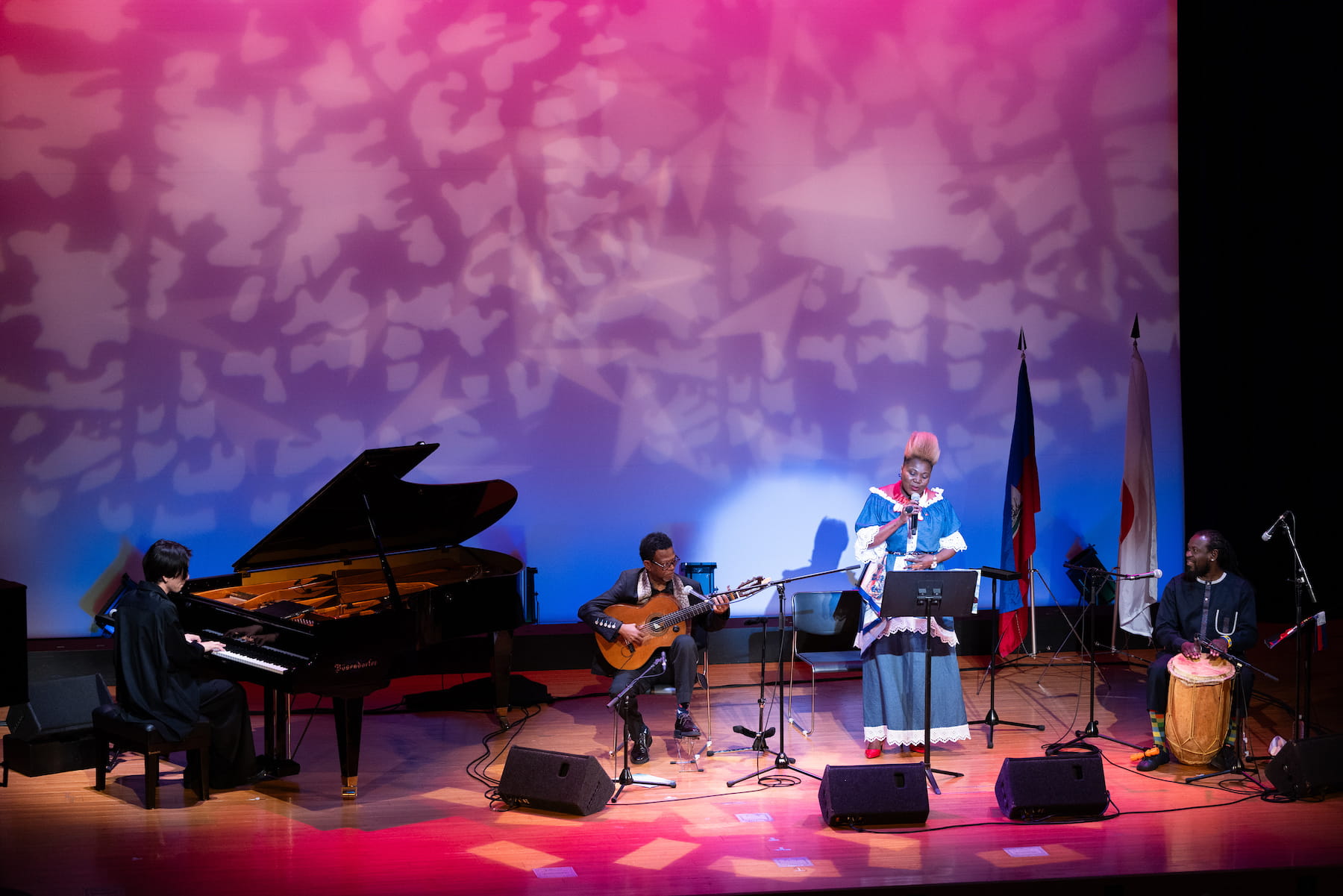
On May 31, 2026, the Embassy of the Republic of Haiti in Japan and the Min-On Concert Association, in cooperation with Minato City, presented the lecture concert “Poem and Rhythm from Haiti” at the Akasaka Civic Center Hall in Tokyo.
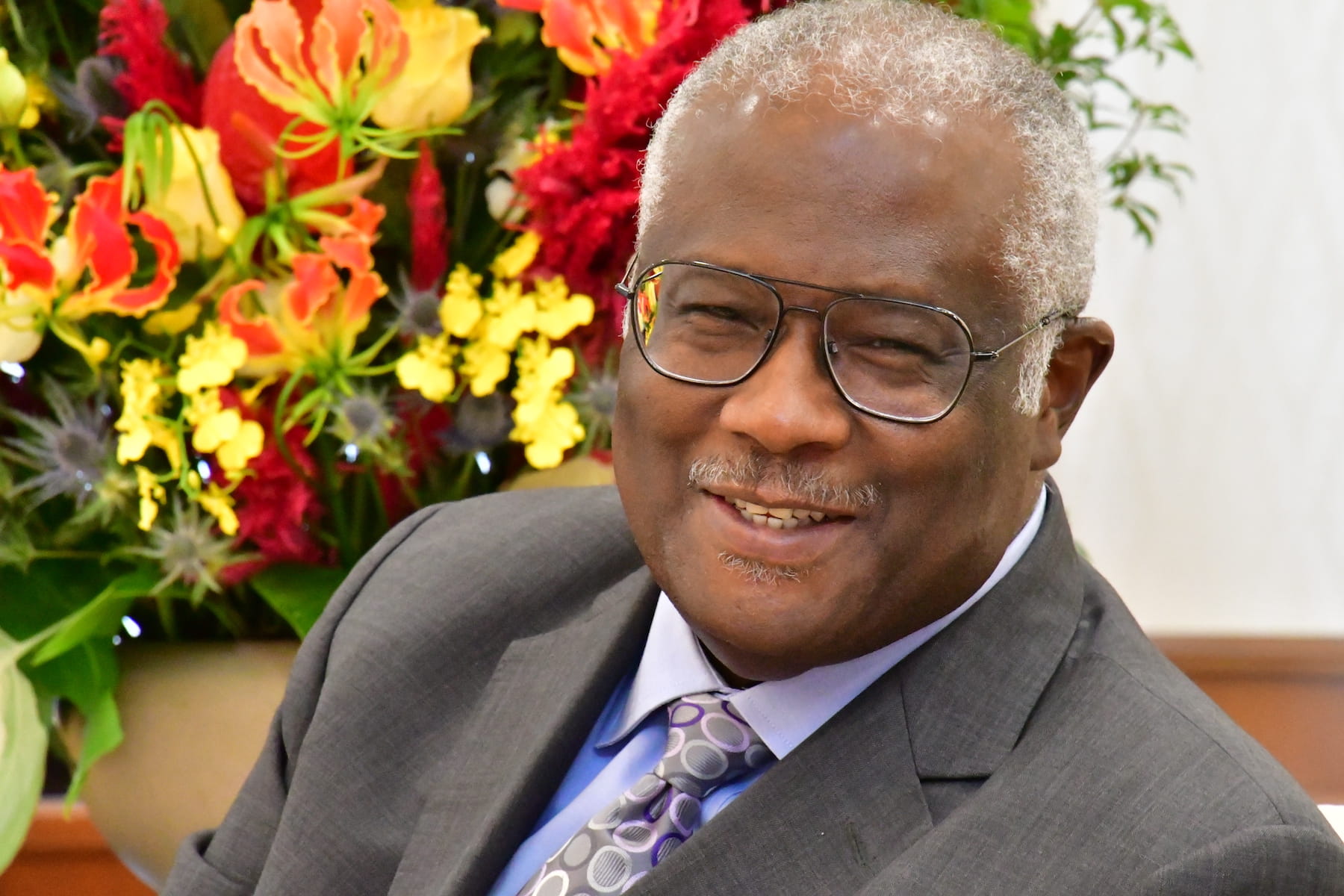
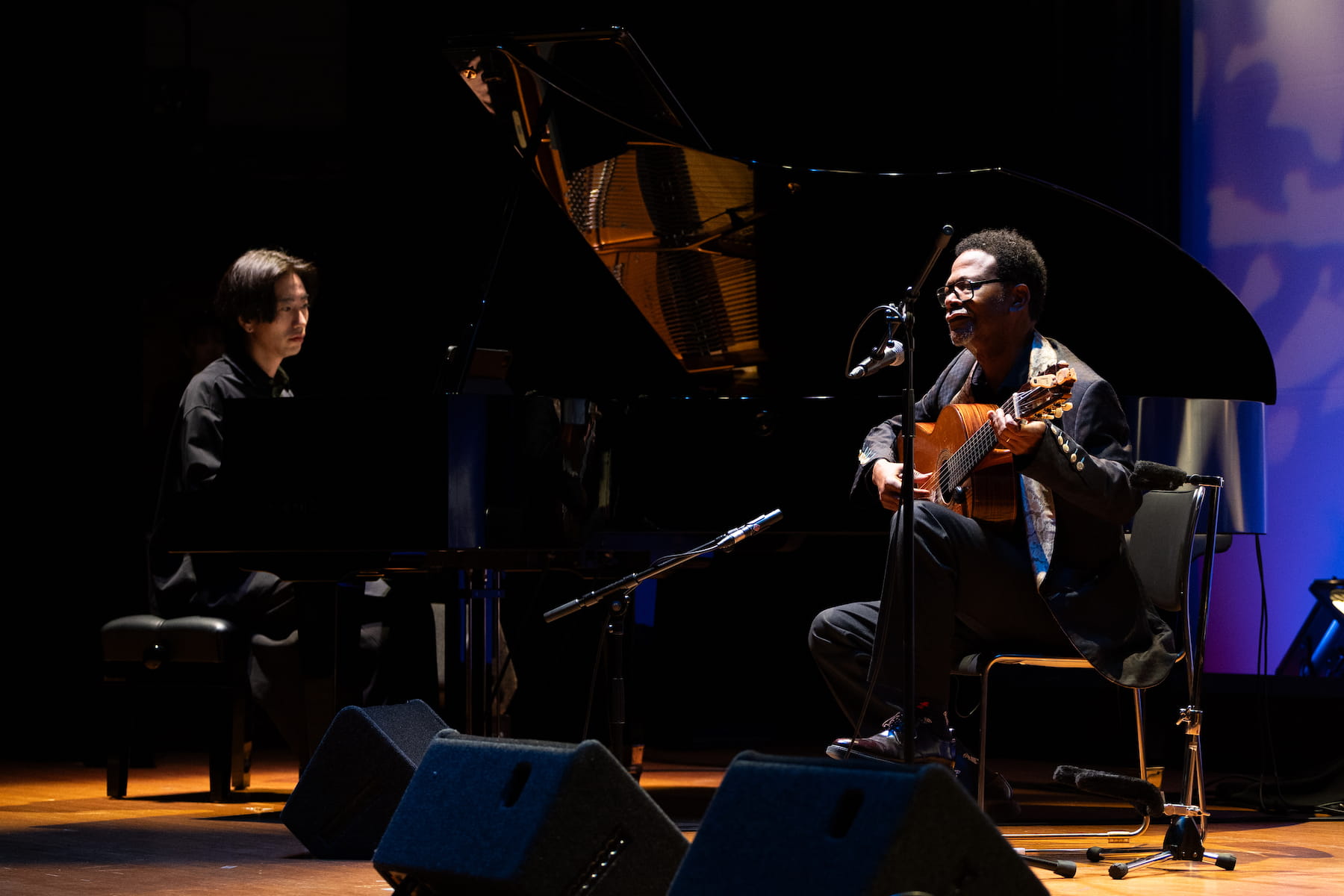
The concert brought together Haitian and Japanese musicians in a program highlighting Haiti’s rich cultural heritage. Haitian music group Métiskacao—featuring guitarist Amos Coulanges and vocalist Kécita Clénard—performed alongside Haitian drummer Claude Saturne and Japanese pianist, trumpeter and composer Mao Sone.
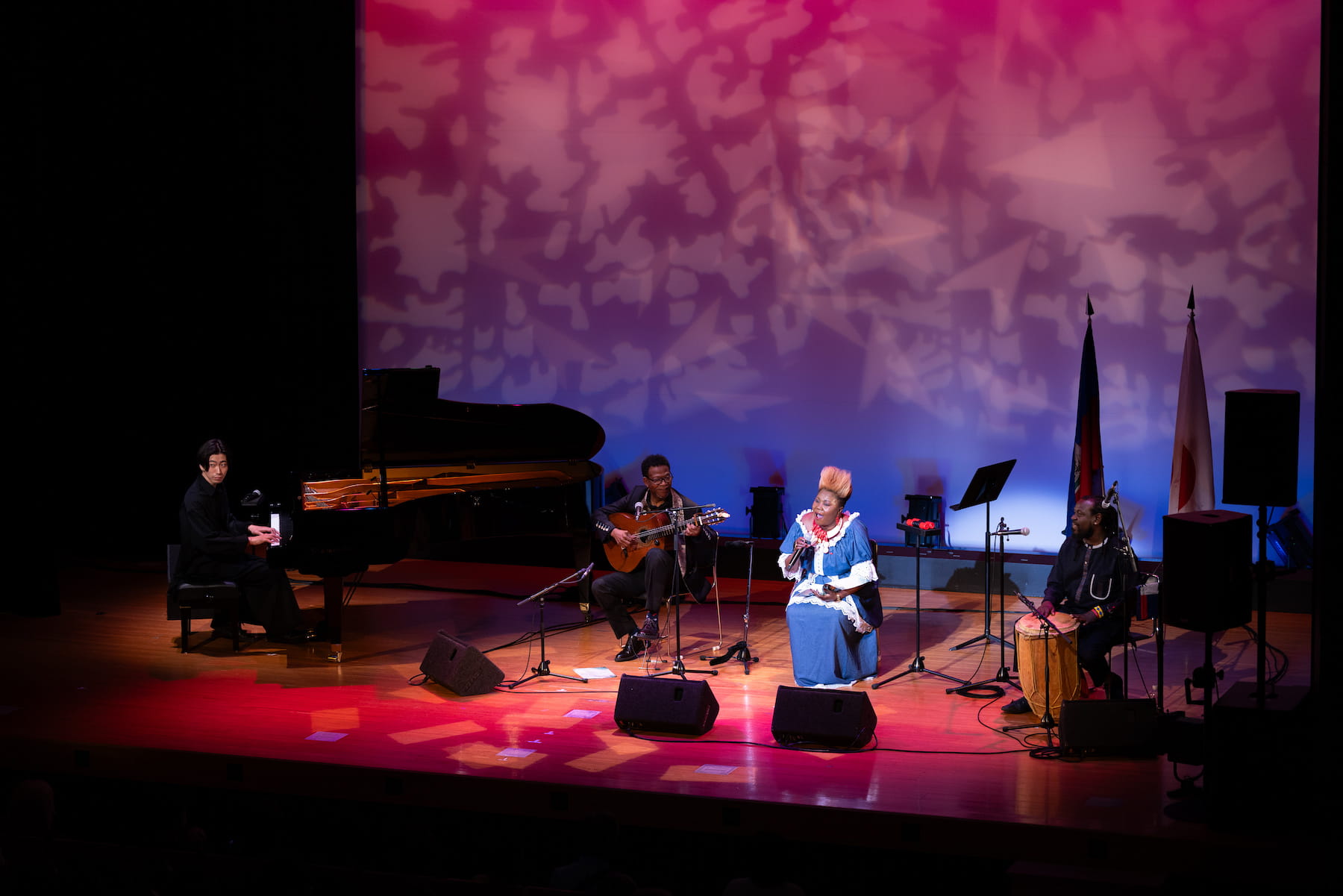
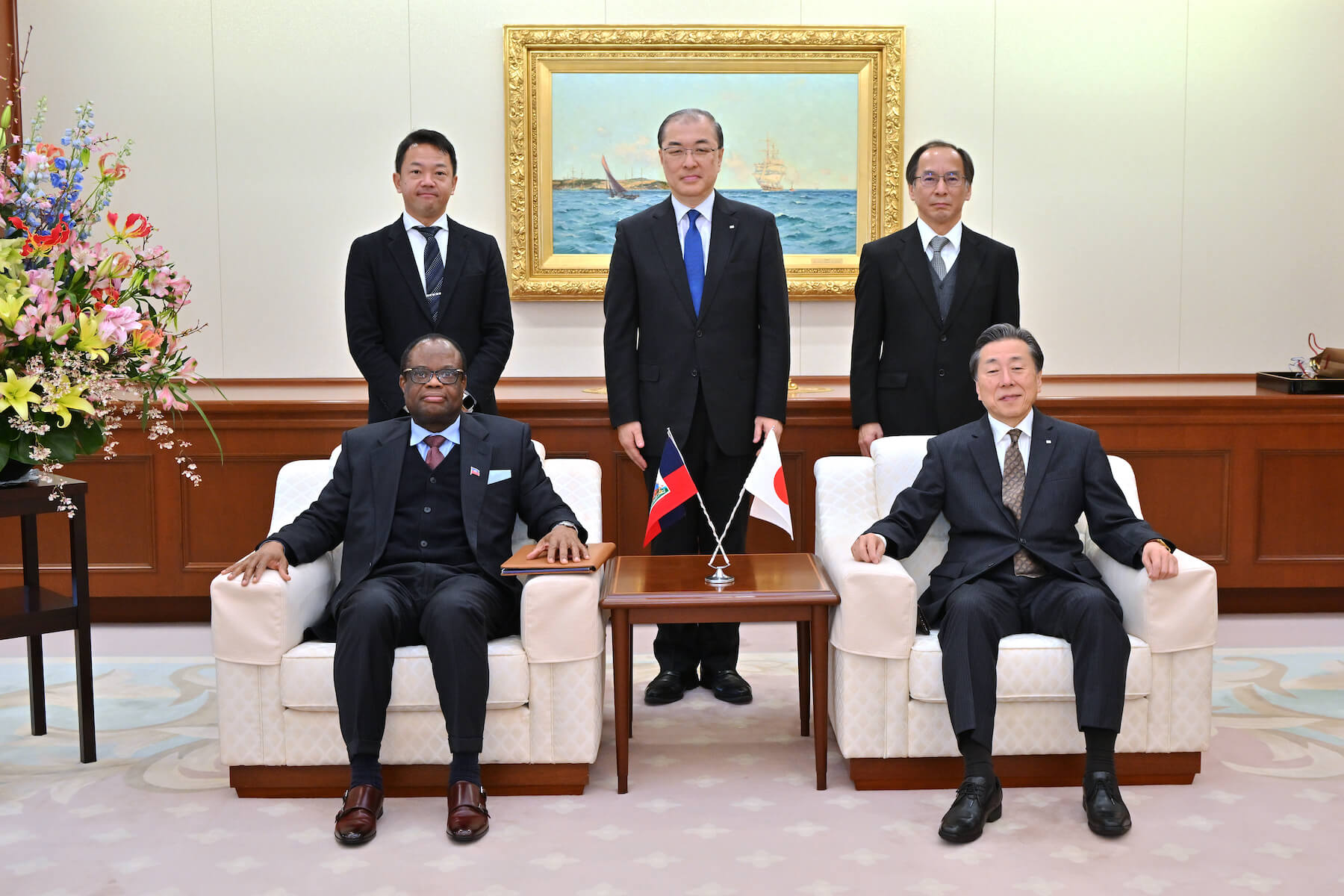
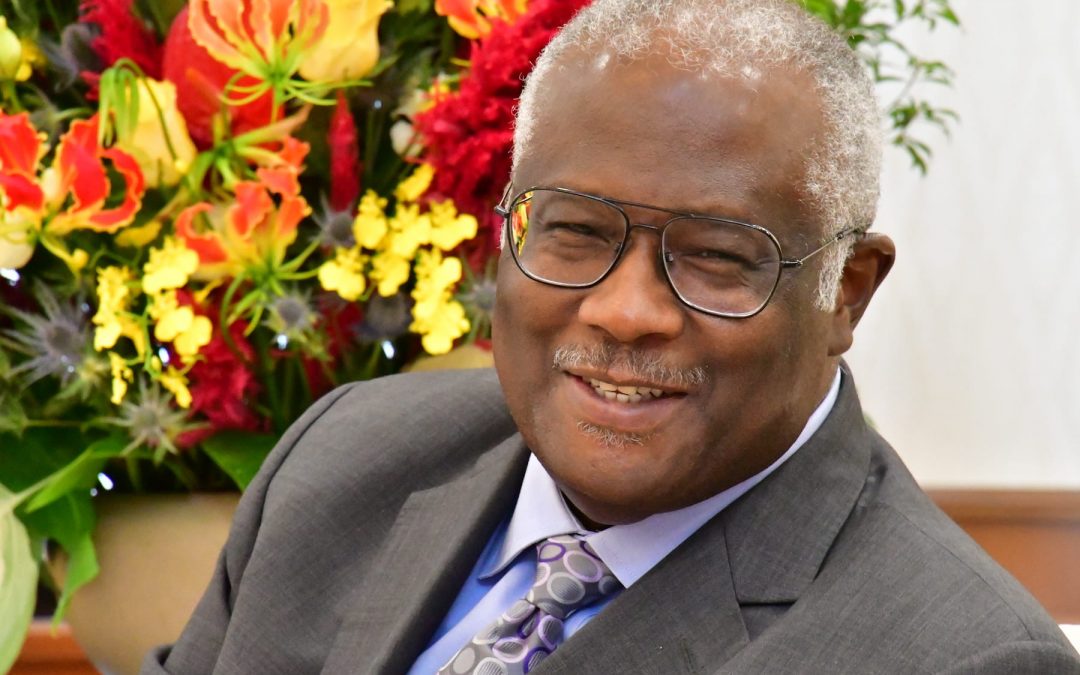
On June 5, we spoke with His Excellency Louis Harold Joseph, Ambassador Extraordinary and Plenipotentiary of the Republic of Haiti to Japan. Ambassador Joseph reflected on the lecture concert, his second posting in Japan, the diversity of Haitian culture, the universal language of music, and his hopes for deeper cultural exchange between Japan, Haiti and the wider Caribbean.
(Interview conducted on June 5, 2026.)
◆ Watch the interview highlights at
https://youtu.be/wTTT_llLvpo
MIN-ON: The lecture concert held on May 31 commemorated the 70th anniversary of diplomatic relations between Haiti and Japan. We received many heartfelt comments from members of the audience. Looking back, what were your impressions of the concert?
Ambassador H.E. Louis Harold Joseph: First of all, I would like to thank the Min-On Concert Association for its excellent collaboration with the Embassy. Without Min-On’s support, it would have been difficult to realize the concert.
From my conversations with many members of the audience, we at the Embassy felt that the concert was a great success for several reasons. The arrangements made by Min-On were excellent, and the artists demonstrated great professionalism. Amos Coulanges, Kécita Clénard and Claude Saturne all gave wonderful performances.
It was also an excellent idea to have Mao Sone perform with the Haitian musicians. Their collaboration contributed greatly to the success of the concert, and the Haitian musicians themselves spoke very highly of him as an outstanding pianist.
MIN-ON: You previously served in Japan in 2016 and 2017 and have now returned as Ambassador. What does this second posting mean to you, and what areas of Haiti–Japan relations would you like to strengthen?
Ambassador: I was here in 2016 and 2017 as Chargé d’Affaires, and I wanted to return because I felt that I had begun work here that I had not yet finished. This time, as Ambassador Extraordinary and Plenipotentiary, I am able to engage more broadly with both the government and the people of Japan. I am very grateful to my country and to the Ministry of Foreign Affairs for giving me the opportunity to represent Haiti in Japan.
One area I would like to develop further is economic exchange. During my first posting, I looked into products that Haiti could export to Japan. Haiti produces high-altitude coffee and cocoa, and we also have excellent Caribbean rum. Japan is a major economy, and I believe there is great potential to further strengthen economic ties between our two countries.
MIN-ON: Haiti is known for its rich culture, shaped by influences from the Caribbean, Africa, Europe and other traditions. What do you see as the unique character of Haitian culture?
Ambassador: Culture is at the heart of Haiti. When I think about Haitian culture, I think about our music and our food, among many other things. Our culture reflects a blend of influences, particularly African and French traditions, shaped by our history.
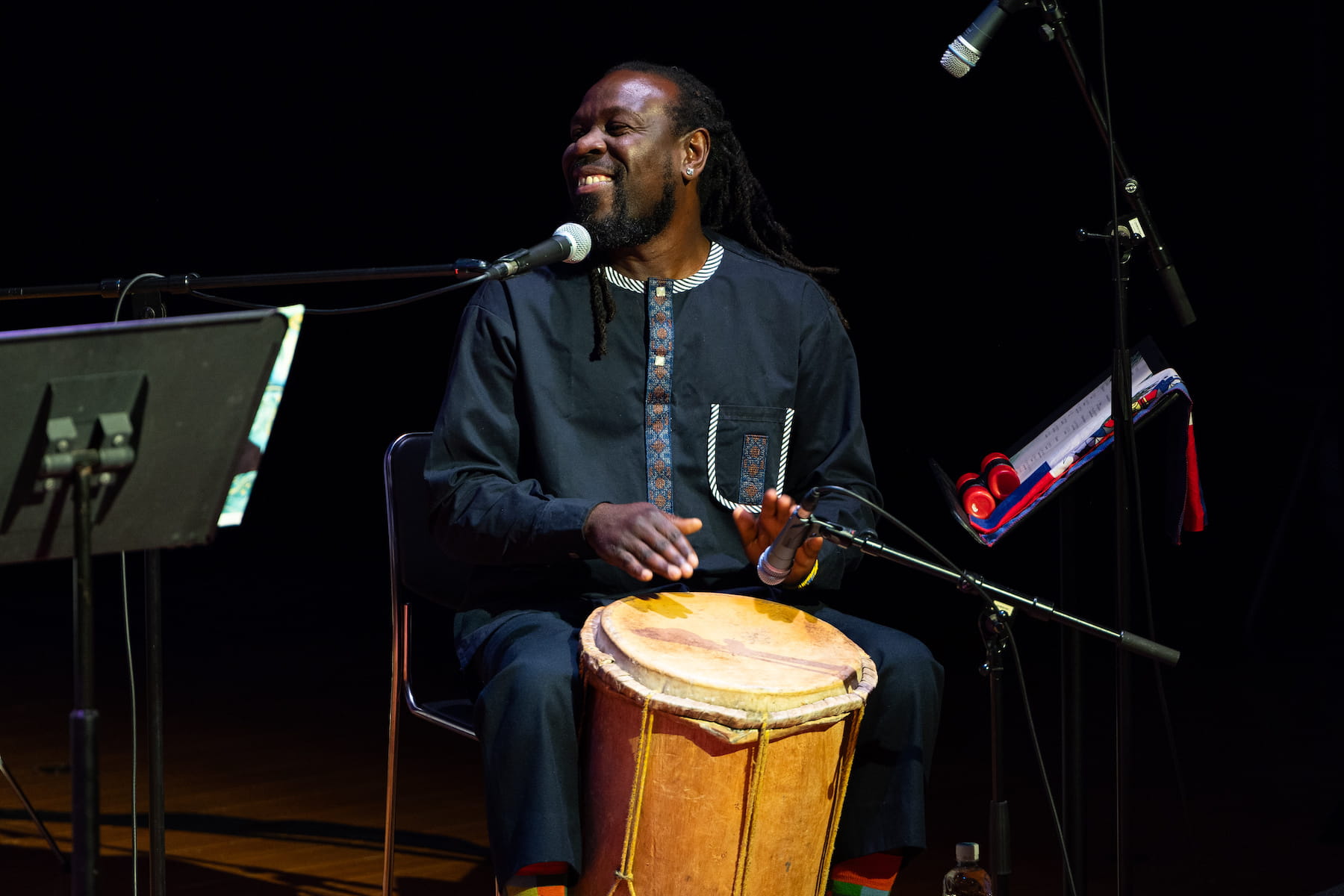
At the same time, Haiti has preserved strong African cultural traditions. You can hear this very clearly in Haitian music, particularly in the drumming. At the lecture concert, for example, Claude Saturne’s performance strongly evoked our African roots.
Haiti’s history as a French colony has also left a strong French influence on our culture, alongside other Caribbean and Spanish influences. Compas music is one example of how different traditions have been absorbed and expressed in a distinctly Haitian way. This blend of influences is part of what makes Haitian culture so rich and distinctive.
MIN-ON: Min-On’s founder believed that music and cultural exchange can connect people’s hearts and contribute to peace. What are your thoughts on the power of music and the role of cultural exchange in today’s world?
Ambassador: I think Min-On is doing a fantastic job because the language of music is universal. You could see this in the way the Haitian musicians and Mao Sone were able to collaborate after only a short time together. Why was that possible? Because everyone understands the language of music.
Through music, Min-On brings Japan and other countries together. I believe this is very meaningful work, and I think members of the diplomatic community should do everything they can to support initiatives like these.
MIN-ON: Finally, could you share a message for our readers and viewers?
Ambassador: I believe Min-On has already achieved a very high standard in its work. As a representative of a Caribbean country, however, I would be delighted to see even more opportunities for people in Japan to learn about and experience the cultures of the Caribbean.
The Caribbean is a wonderful and highly diverse region, made up of many countries with different histories, cultures and languages. Some countries are French-speaking, others English-speaking, and others Spanish-speaking. Yet I have realized that many people in Japan still do not know very much about the Caribbean.
That is why I believe it is important to create more opportunities to introduce the region in Japan. I hope Min-On will continue to bring the music and culture of Haiti and the wider Caribbean to audiences in Japan, so that more people can discover how rich and diverse the region truly is.
◆ Concert News
If you have any comments regarding this article, please feel free to email us at: publicrelations@min-on.or.jp
Min-On Concert Association
—Music Binds Our Hearts—