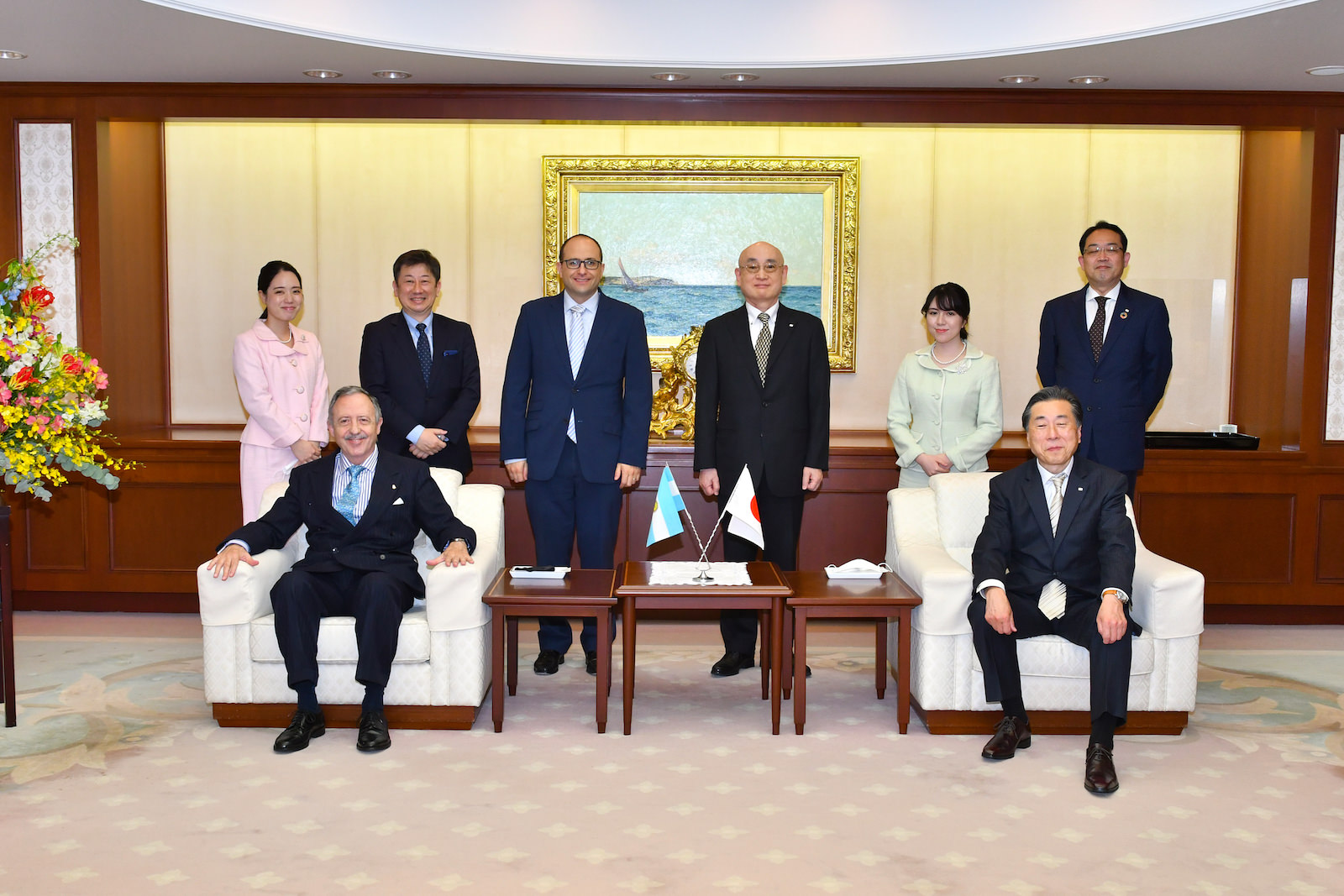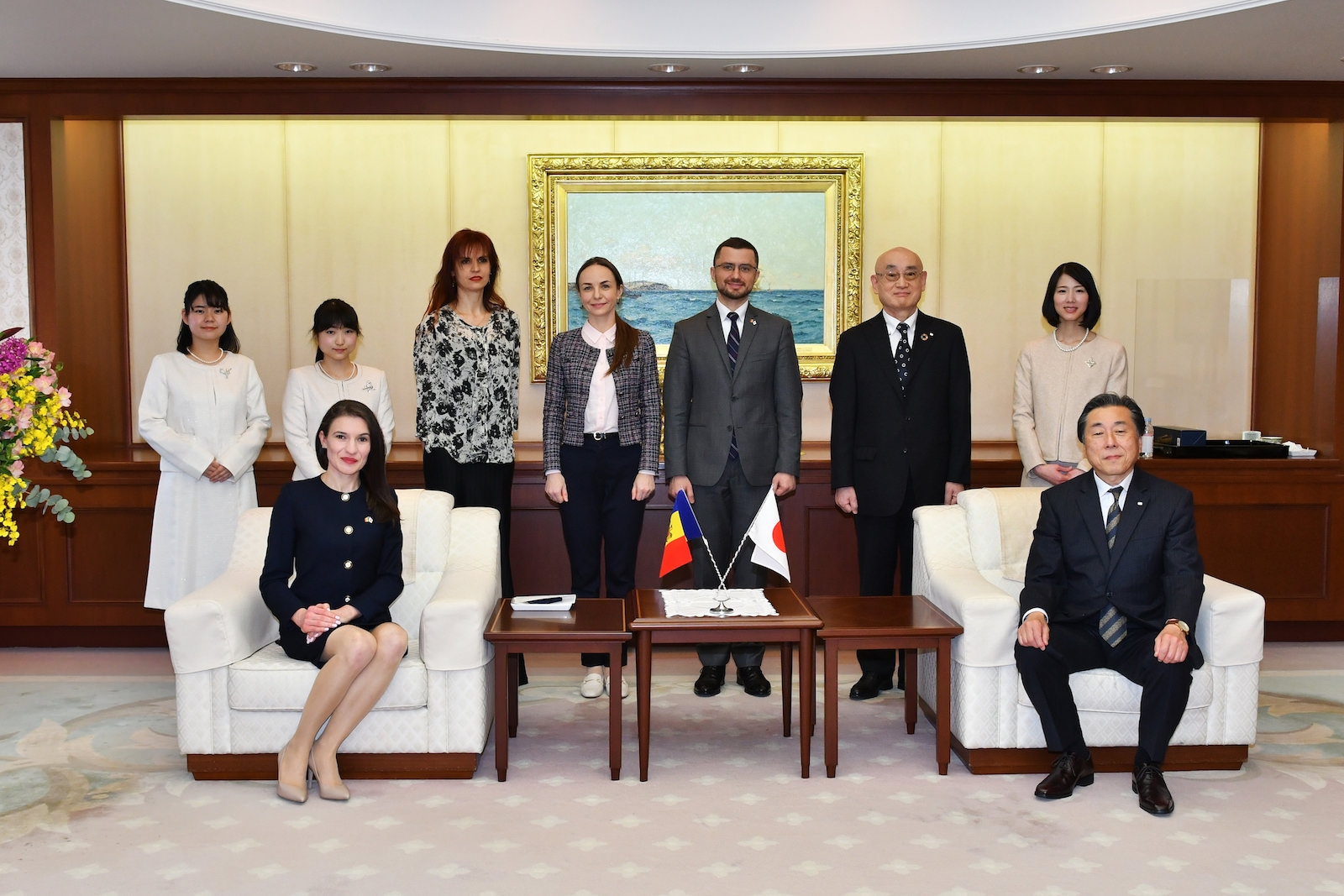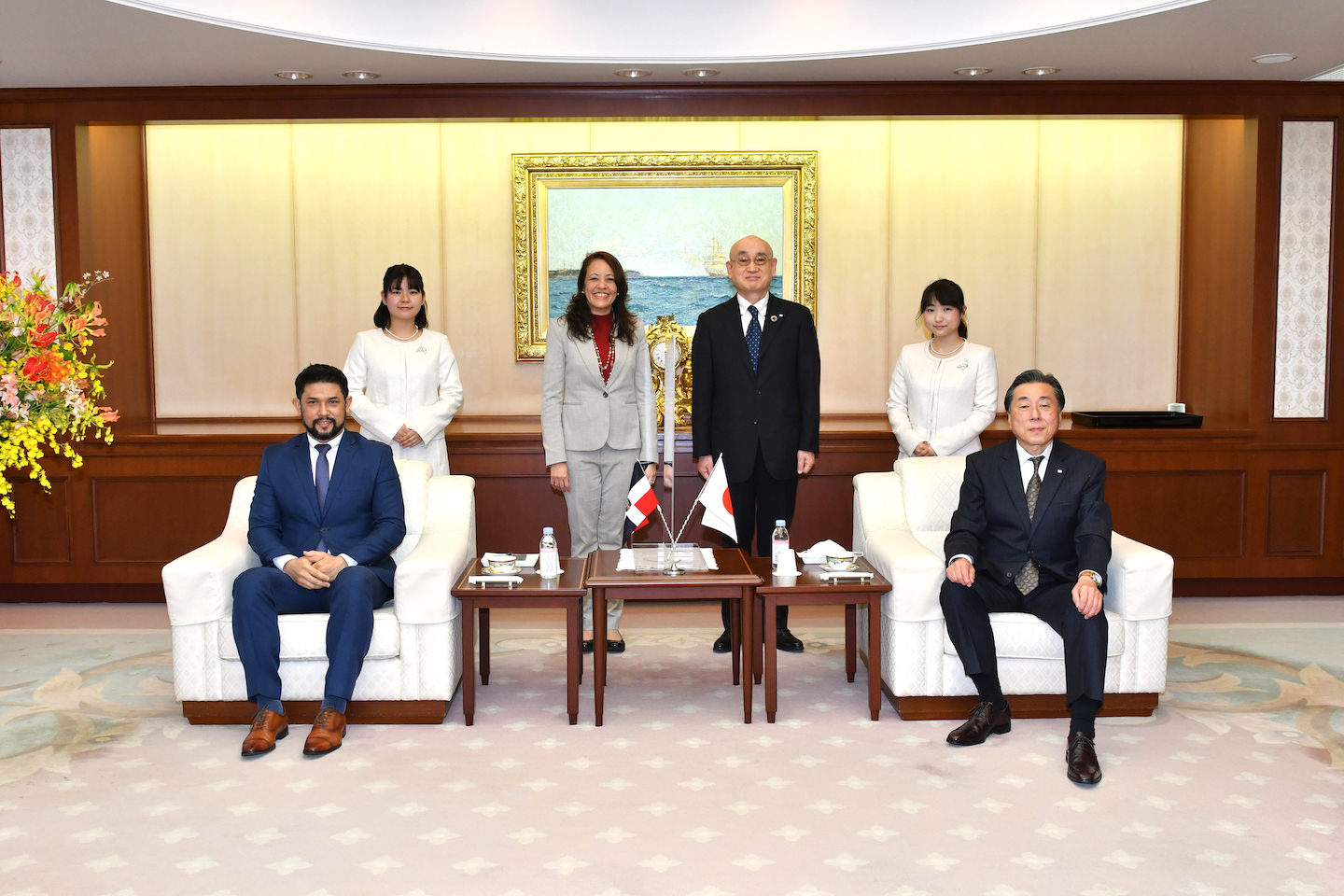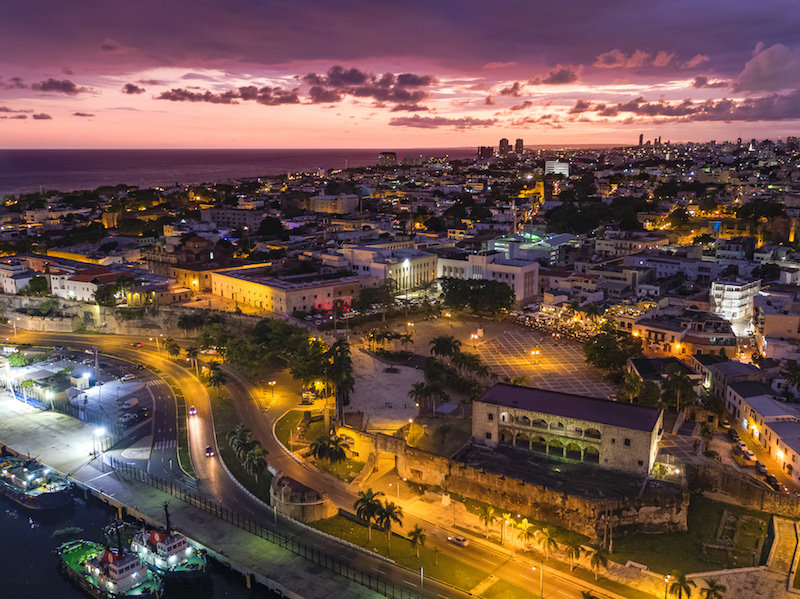
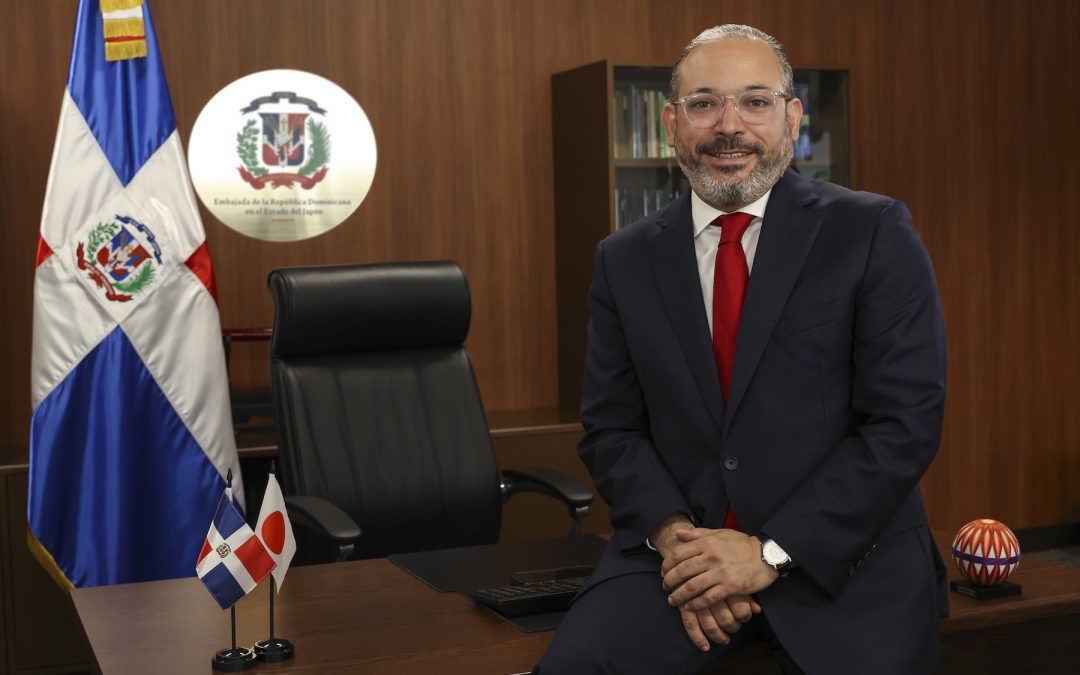
The Min-On Concert Association had the pleasure of interviewing His Excellency Edward Aníbal Pérez Reyes, Ambassador Extraordinary and Plenipotentiary of the Dominican Republic to Japan.
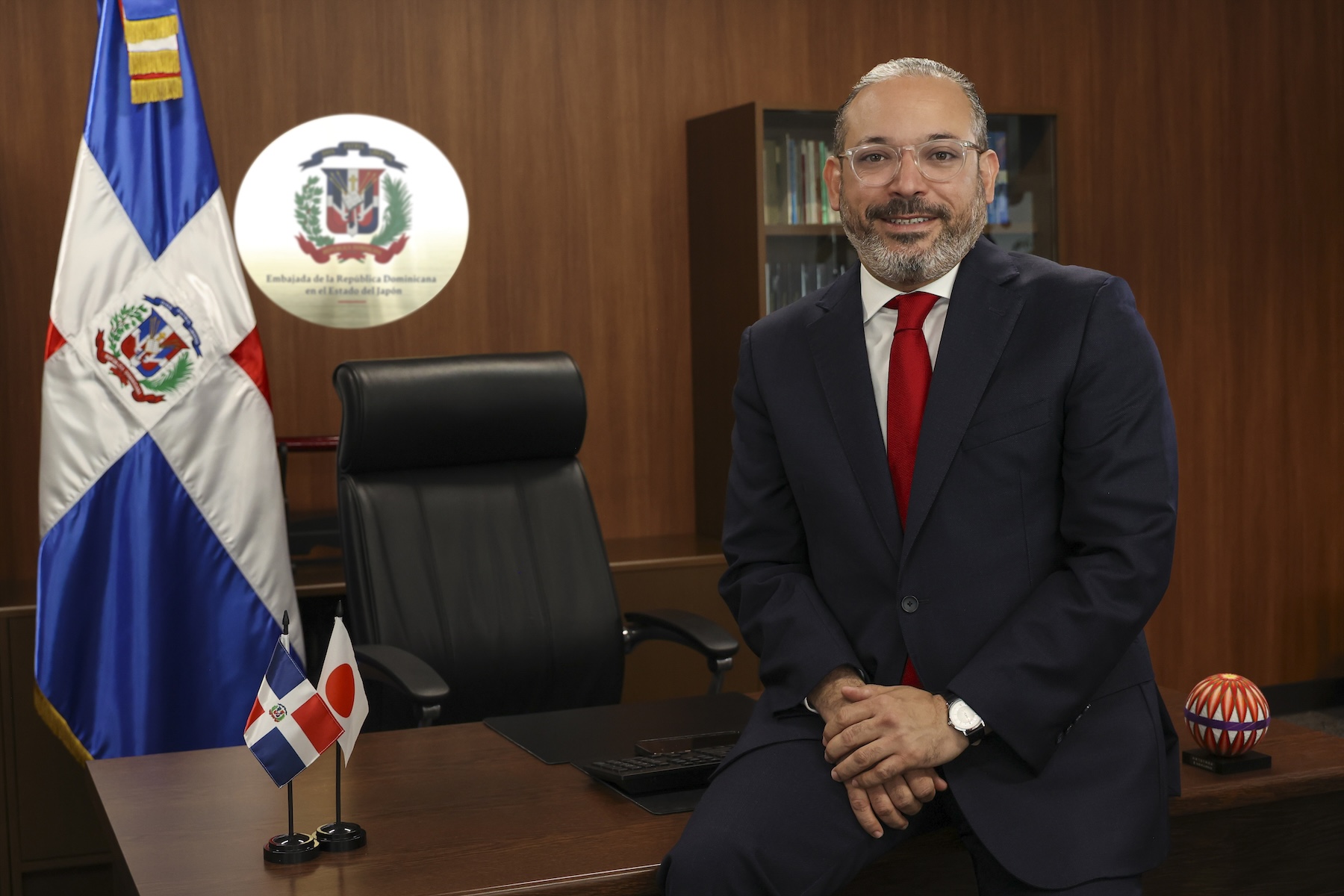
In the interview, Ambassador Pérez Reyes spoke about his impressions of Japan, the Dominican Republic’s vibrant musical heritage, and his own personal memories of music and dance. He also shared his thoughts on the vital role of cultural diplomacy, his hopes for deeper cultural exchange between Japan and the Dominican Republic, and an inspiring message to younger generations on the importance of embracing cultural diversity.
(Interview conducted on September 7, 2026.)
◆ Watch the interview highlights
MIN-ON: Now that you have spent some time in Japan, how have your impressions of the country evolved since your arrival?
Ambassador H.E. Edward Aníbal Pérez Reyes: Thank you very much for having me. It is a pleasure to be here with you.
Before coming to Japan, I had heard many positive things about the country from fellow diplomats who had previously served here. From overseas, people often associate Japan with advanced technology, efficiency and discipline. These are certainly important characteristics of Japanese society. However, once you come here and experience the country firsthand, you begin to realize that there is something much deeper.
What impressed me most was the deep sense of respect that Japanese people show toward others and their surroundings, including public spaces. This thoughtfulness and consideration for the people and environment around them are qualities I greatly admire. Japan has many remarkable qualities, but I believe it is this deep-rooted spirit of respect that truly sets the country apart.
MIN-ON: The Dominican Republic is renowned for its vibrant music and rich cultural heritage. Could you tell us what makes Dominican music distinctive, and share some of the musical styles and trends that are particularly popular among younger generations today?
Ambassador: The Dominican Republic is a country shaped by the coming together of many different cultures. Our history has been influenced by African, European, Indigenous and Caribbean traditions, and this rich diversity is deeply reflected in our national identity.
Our culture is vibrant and constantly evolving, with music serving as one of its most important forms of expression. Merengue and bachata, in particular, are integral to who we are as Dominicans. These musical genres are cherished not only in our own country but also by audiences around the world.
At the same time, music is constantly evolving. Young people today are exposed to a wide range of rhythms and musical styles from around the world, and they are bringing fresh ideas and influences into Dominican music.
One example is dembow, a genre of urban music that has become especially popular among younger generations. Its growing popularity illustrates how traditional musical influences can blend with contemporary styles to create new forms of expression.
Music is a universal language, but it is also ever-changing. As people encounter new influences and experiment with different sounds, they continue to reshape music and make it their own. I believe that this ability to embrace diverse cultural influences while remaining true to our musical roots is one of the greatest strengths of Dominican music.
MIN-ON: Japanese popular culture, from anime and manga to J-pop, has a strong following in the Dominican Republic. What aspects of Japanese culture would you especially like to see more young Dominicans discover and appreciate?
Ambassador: I believe there is still so much that our two societies can learn from one another, and cultural exchange is one of the most meaningful ways to deepen our understanding and strengthen the bonds between us.
Japanese popular culture, including anime, manga and J-pop, has already gained widespread popularity among young people in the Dominican Republic, as it has around the world.
At the same time, I would encourage them to explore Japan’s traditional arts and cultural heritage. Beneath the appeal of contemporary Japanese culture lies a rich legacy of artistic traditions, customs and values. By discovering and learning about these traditions, young people can develop a deeper appreciation of Japan and a better understanding of its society. Japan has so much to offer, not only through its modern cultural expressions but also through the traditions that have been passed down over generations.
I hope young people in the Dominican Republic will embrace both aspects of Japanese culture and discover how they are interconnected, each reflecting a different dimension of Japan’s cultural identity.
MIN-ON: Do you have any particularly fond memories or memorable experiences involving music from your childhood or later in life?
Ambassador: When I think back on my earliest experiences with music, one of my fondest memories is of my mother teaching me how to dance merengue. In the Dominican Republic, music and dance are woven into everyday life. We grow up surrounded by music, and dancing is a wonderful way for families and communities to come together. My mother wanted me to learn to dance properly so that I could join in and enjoy dancing with others at parties and social gatherings.
In Dominican families, dancing is also a way of strengthening family bonds and bringing people closer together. It is a tradition that parents and other family members often pass down to the next generation. I sometimes joke that Dominicans are born with two things: a baseball bat in one hand and an instinct for dancing!
I also have a particularly memorable experience from my younger days that shaped my appreciation of classical music. I attended a course on the interpretation of classical music at the National Theater, taught by a highly respected instructor. That experience had a profound impact on me and transformed the way I understood and appreciated music. Of course, anyone can attend a classical concert and appreciate the beauty of the music. However, when you begin to understand the structure of a composition—its movements, individual sections and musical nuances—you gain a much deeper appreciation of the work. It makes the listening experience all the more meaningful and rewarding.
I have also been deeply impressed by the enthusiasm with which Japanese people embrace Dominican music and dance. At an international cultural event here in Japan, I once had the pleasure of watching Dominican and Japanese dancers perform together. Everyone was caught up in the rhythms, and I was especially amazed by a 92-year-old Japanese woman who danced with remarkable energy and enthusiasm.
Another Japanese woman even invited me to join her on the dance floor, which came as a delightful surprise. In that moment, I was reminded of the dance lessons my mother had given me when I was young. It was a truly beautiful experience and a wonderful illustration of how music and dance can transcend cultural boundaries and bring people together.
MIN-ON: Drawing on your many years of diplomatic experience, how do you see the role of music and cultural exchange in fostering mutual understanding and strengthening ties between people from different countries?
Ambassador: In traditional diplomacy, achieving meaningful results often takes considerable time. Governments must engage in careful planning, negotiation and sustained cooperation over many years. Culture, however, has a unique power of its own. Through a simple song or dance, people can gain an immediate appreciation of another country’s culture. In this way, music has the remarkable ability to bring people closer to cultures different from their own, often in an instant. That is why I believe culture is such a powerful and essential tool of diplomacy. Diplomacy is not simply about building relationships between governments; it is equally about fostering connections between individuals and communities. This is what we often refer to as people-to-people diplomacy.
Music, dance, painting, traditional arts and craftsmanship all serve as expressions of a society’s identity and values. They offer meaningful opportunities for people to connect with one another and develop a deeper understanding that goes beyond formal diplomatic exchanges.
Throughout my diplomatic career, I have witnessed many instances of how cultural exchange can transform people’s perceptions and bring them closer together. Even a seemingly simple gesture, such as inviting someone to dance, can mark the beginning of a meaningful connection. These personal encounters may appear small, but I believe they can leave a lasting impression and, over time, contribute to stronger and more enduring relationships between countries.
MIN-ON: Min-On has organized a number of cultural programs showcasing artists from the Dominican Republic, including traditional dance performances and a concert featuring violinist Aisha Syed. Looking ahead, what kinds of cultural exchange initiatives would you like to see developed further between our two countries?
Ambassador: First and foremost, I would like to express my heartfelt gratitude to Min-On for its continued cooperation and for creating valuable opportunities to share the richness of Dominican culture with Japanese audiences.
The Dominican Republic is home to many talented musicians, not only in traditional and contemporary music but also in classical music and jazz. Violinist Aisha Syed, who has performed in Japan, is one such example. Another is internationally renowned jazz pianist Michel Camilo, who has performed in Japan numerous times over the years and built a strong following among Japanese audiences.
These artists are wonderful examples of the extraordinary diversity and depth of musical talent in the Dominican Republic. I would certainly welcome more opportunities for Dominican artists to perform in Japan and for Japanese artists to visit and share their talents in the Dominican Republic.
Beyond simply bringing artists from one country to the other, however, I hope we can create opportunities for genuine artistic collaboration. For example, imagine a project that brings together young musicians from the Dominican Republic and Japan to form an orchestra, allowing them to rehearse, perform and share the stage as one ensemble.
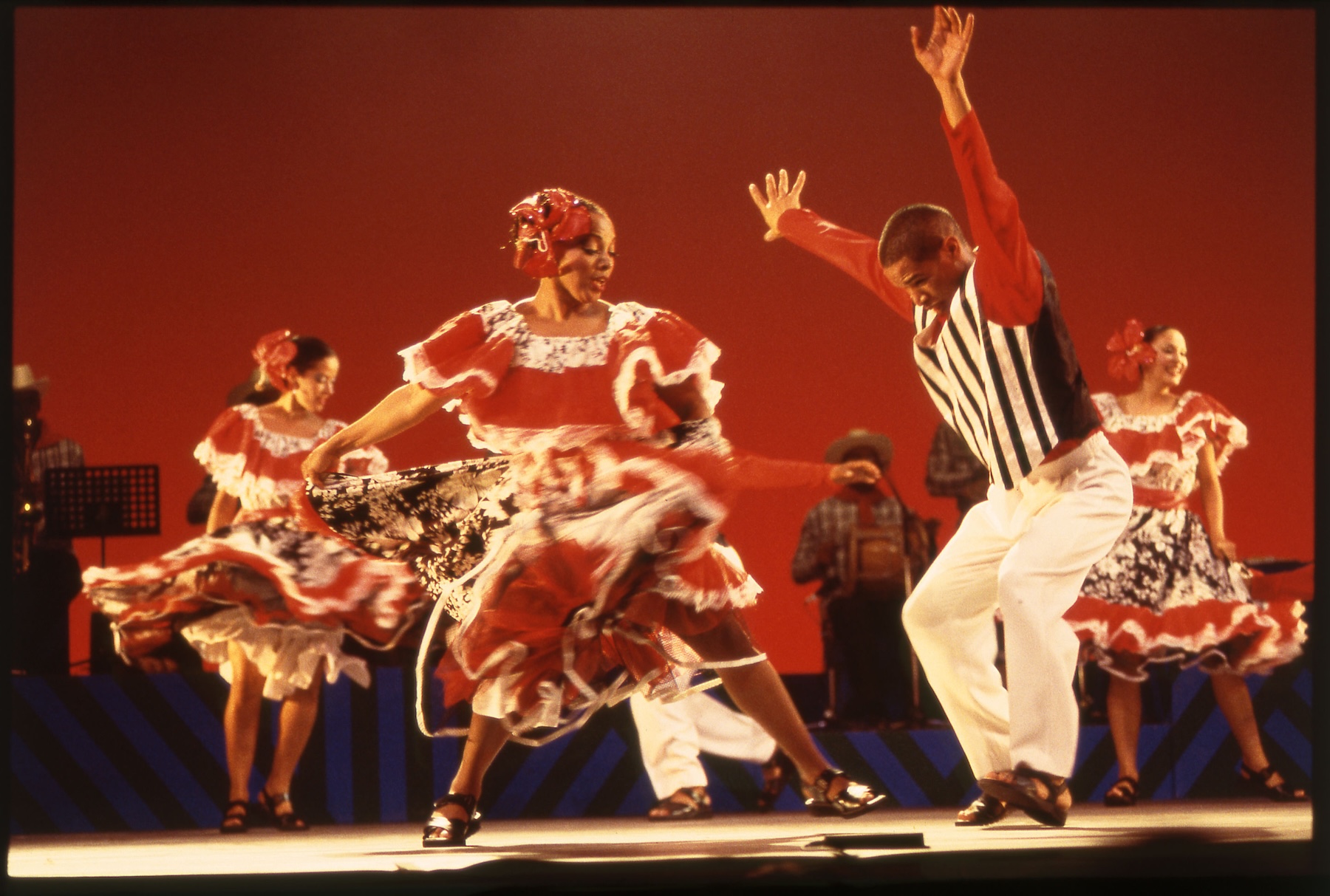
Ballet Folklórico Nacional de República Dominicana (2000)
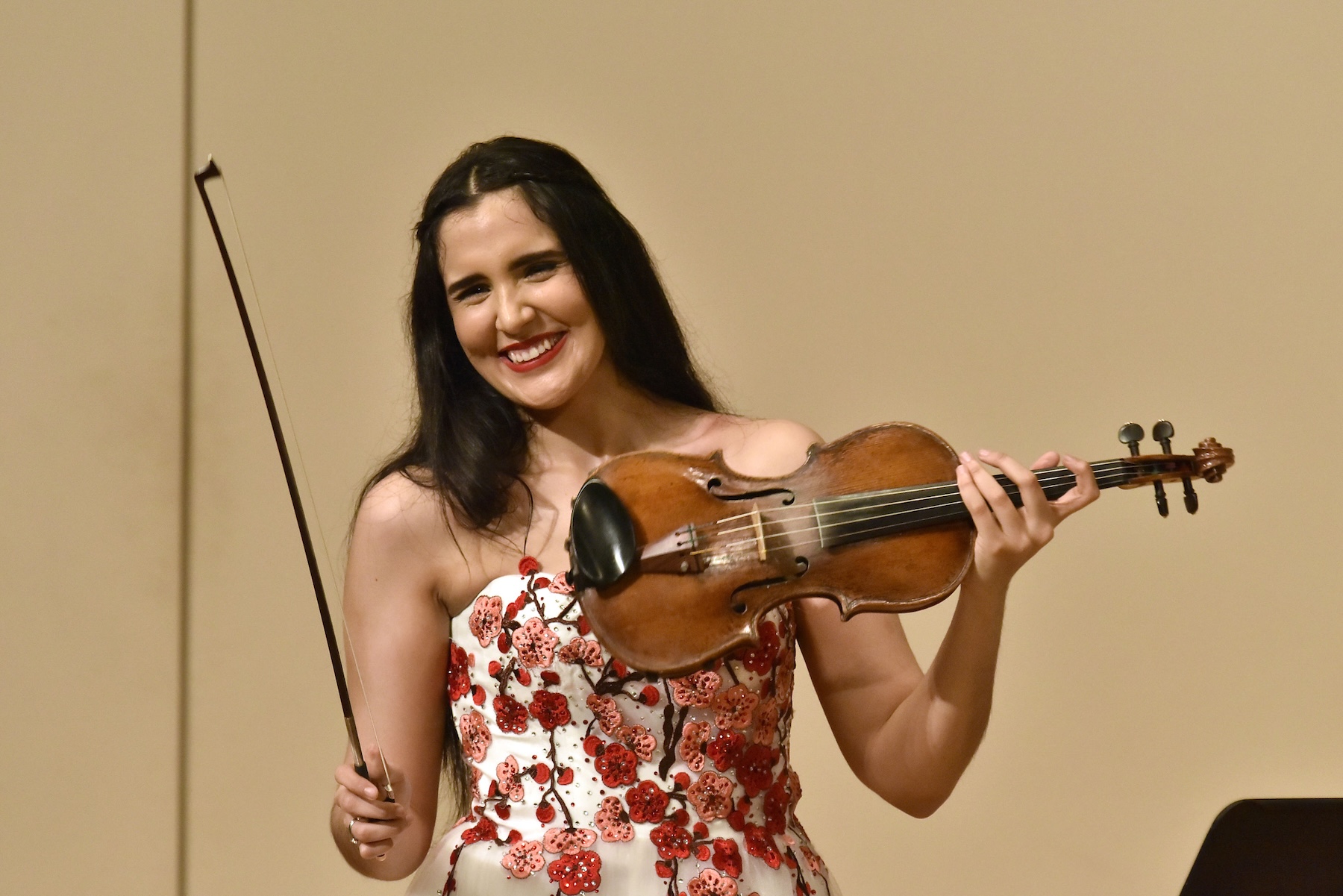
Cultural Lecture by Aisha Syed (2017)
Through the universal language of music, these young musicians could connect with one another and express the shared values and cultural bonds that unite our two countries.
I believe this kind of collaboration would be particularly meaningful because cultural exchange should go beyond simply introducing one country’s culture to another. It should also create opportunities for people to learn from one another, share ideas and experiences, and ultimately create something new together.
Japan and the Dominican Republic already share a long history of friendship and cultural ties, strengthened in part by the Japanese families who settled in our country and brought with them elements of their cultural heritage and traditions.
I hope we can continue to build on this foundation by developing new initiatives that bring Japanese and Dominican artists together to collaborate and create.
I believe this would be a wonderful next step toward deepening the friendship and strengthening the bonds between our two countries.
MIN-ON: Finally, what message would you like to convey to young people in Japan and the Dominican Republic about the value of cultural exchange and the importance of fostering mutual understanding?
Ambassador: My message to young people is simple: embrace different cultures and never be afraid of what makes us different. When you meet someone from another country whose customs and traditions differ from your own, see it as an opportunity to learn, broaden your horizons and gain a new perspective. Although we may come from different cultural backgrounds, we are all human beings, and we share many fundamental values. It is these shared values that ultimately unite us and bring us closer together. I believe it is essential to respect others and approach unfamiliar cultures with an open mind and a sense of curiosity rather than fear.
Japan, for example, has a wealth of wonderful traditions and values to share with the world. At the same time, exploring other cultures can offer fresh perspectives, broaden one’s horizons and enrich one’s life. I still remember something a professor told me when I was at university. He encouraged me to travel abroad and experience life in another country, regardless of whether it was rich or poor. He explained that experiencing a different society would allow me to look at my own country from a more critical perspective and recognize new possibilities for making it better.
His advice has stayed with me throughout my life. When we experience another culture, we begin to see our own society through a different lens. We encounter new ways of thinking and discover fresh ideas that can inspire us to make positive changes in our own communities. I believe this is one of the greatest benefits of cultural exchange. Perhaps this is also one of the reasons I chose a career in diplomacy. I have always enjoyed meeting people from different cultural backgrounds and learning from their perspectives and experiences. Although we may come from different cultures, there are countless things that connect us and serve as bridges between us. By respecting one another and remaining open to new experiences, we can enrich our own lives while building deeper understanding and stronger, lasting relationships between our societies.
Related Links
◆ Min-On Music Journey No. 26: The Dominican Republic
If you have any comments regarding this article, please feel free to email us at: publicrelations@min-on.or.jp
Min-On Concert Association
–Music Binds Our Hearts–