Exploring a New Research Agenda for Music in Peacebuilding
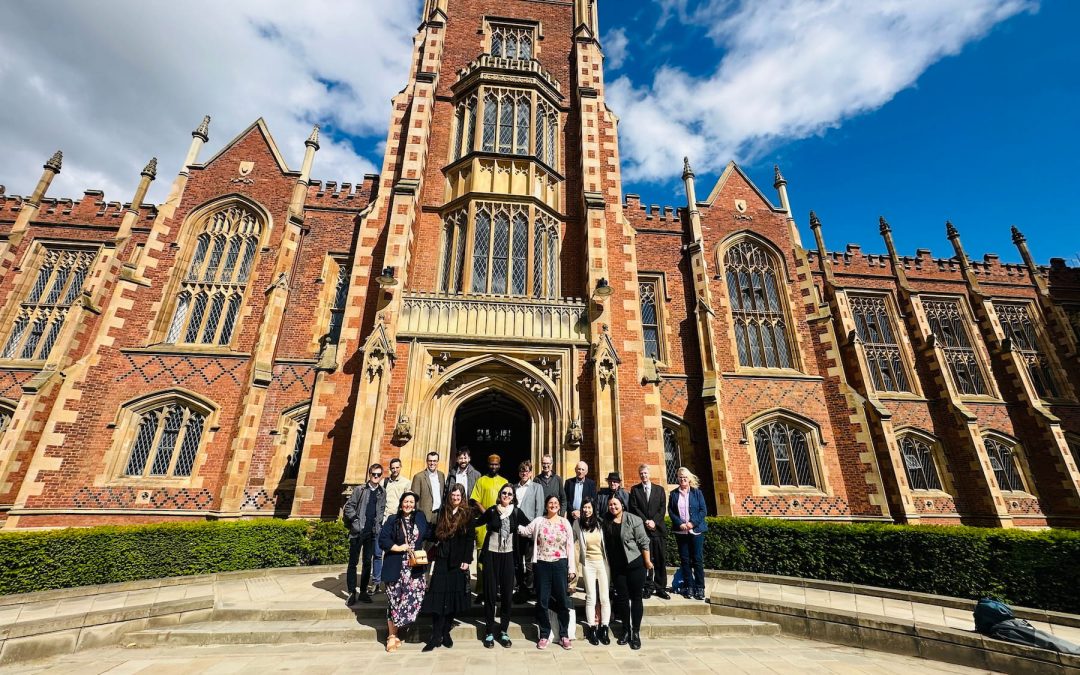
From June 9 to 12, 2026, the Min-On Music Research Institute (MOMRI) co-hosted the 2026 World Summit on Music in Peacebuildingat Queen’s University Belfast in Northern Ireland, United Kingdom, in collaboration with the university’s Queen’s Institute for Peace, Security and Justice (QIPSJ). The summit brought together researchers, educators, musicians, and peace practitioners from around the world to examine the evolving role of music in peacebuilding.
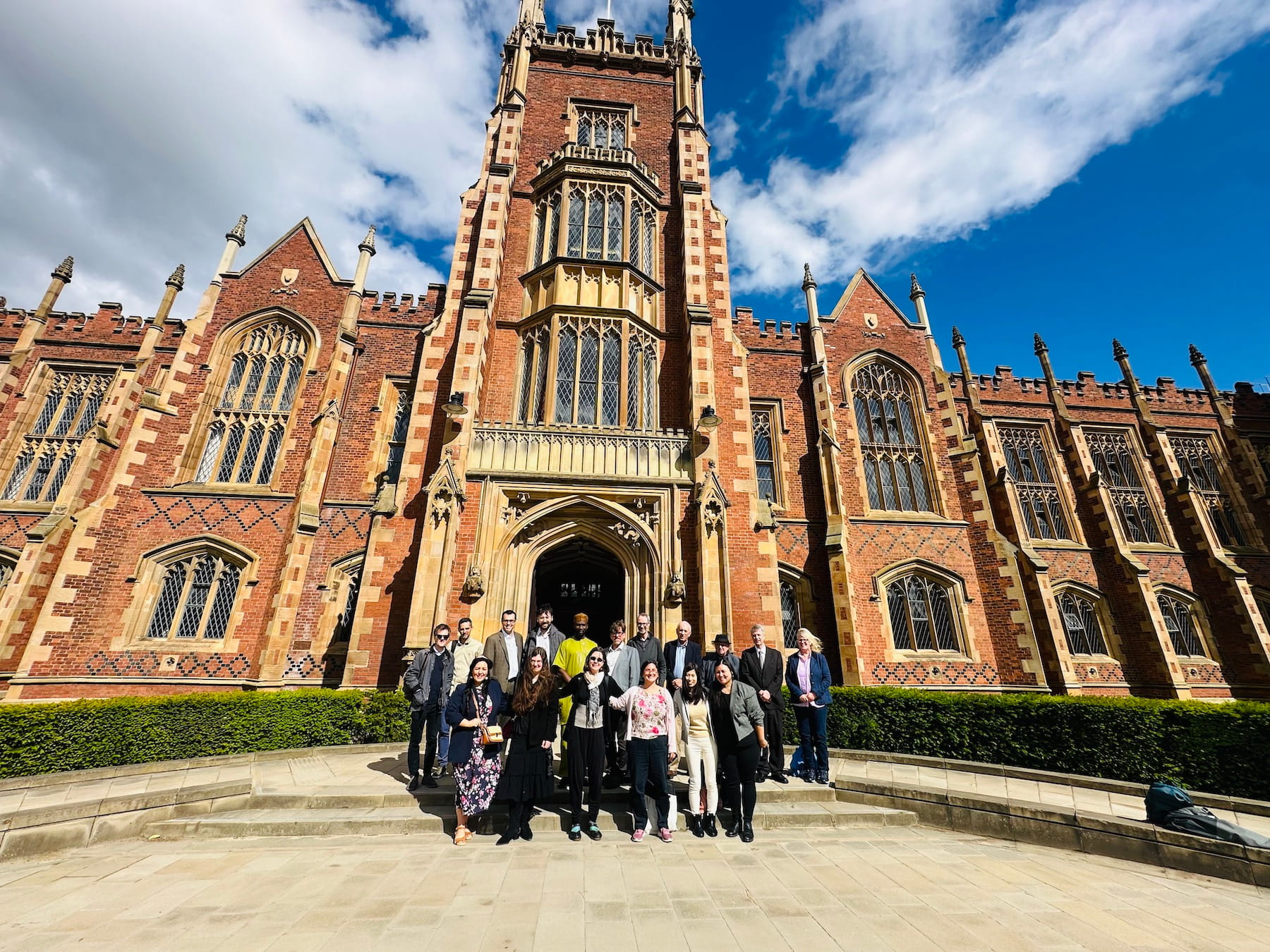
Held under the theme “Music in Peacebuilding: Connecting People and Society” the summit explored how music can help rebuild human relationships, foster dialogue and trust, and contribute to sustainable peace. Four MOMRI Research Fellows and eight Affiliates from the United States, the United Kingdom, Japan, Nigeria, and Colombia shared research findings and practical experiences from diverse cultural and social contexts.
Discussions centered on three principal themes:
- The relationship between music and violence
- The potential of music in the prevention of violence
- The potential of music in post-violence repair and reconciliation
Drawing on research findings and practical case studies from around the world, participants exchanged perspectives on a central question:
“How can music reconnect human relationships and open pathways toward peace?”
The discussions brought together theoretical perspectives and practical experiences, highlighting music’s potential to foster dialogue, rebuild trust, and contribute to peacebuilding in diverse contexts.
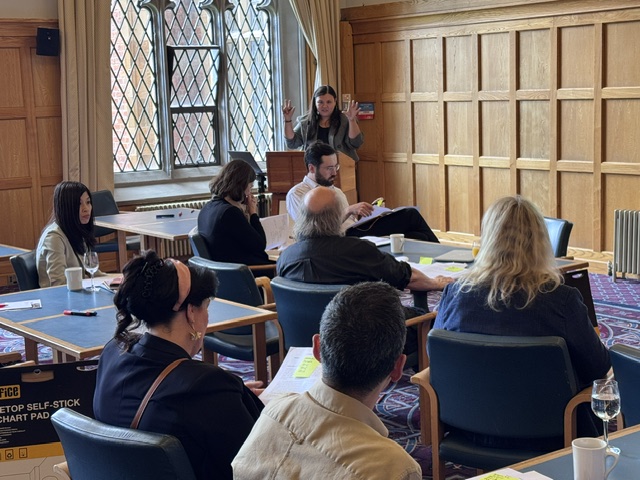
Participants also discussed the future development of Music in Peacebuilding as an international and interdisciplinary field of study. Reflecting on the challenges of conflict, polarization, and violence in contemporary society, they examined how the discipline can make meaningful contributions and identified priorities for a new research agenda that bridges scholarship and practice.
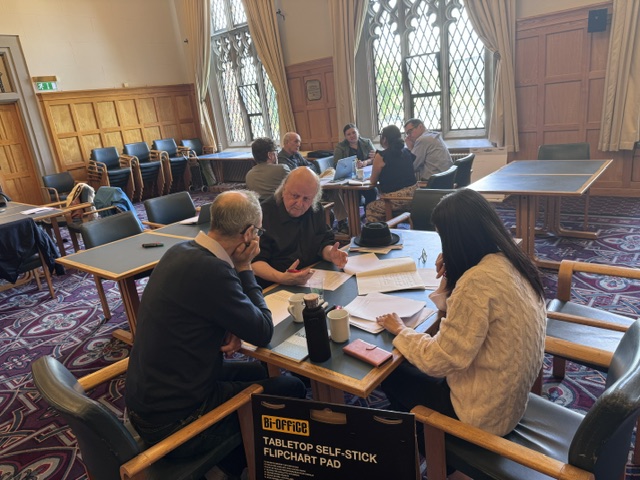
Beyond the academic sessions, the summit included exchanges with the university and local community organizations. Participants met with QIPSJ researchers and graduate students and engaged in dialogue with organizations involved in peacebuilding in Northern Ireland, gaining valuable insights into approaches that connect research with practical peace initiatives.
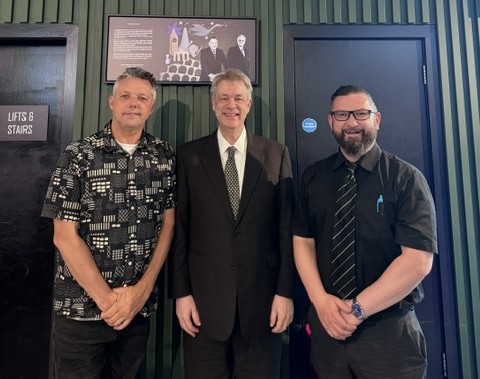
A highlight of the program was a discussion with Professor Kieran McEvoy of QIPSJ, who shared perspectives drawn from Northern Ireland’s peace process and experience of reconciliation. Participants also visited Beyond Skin, a Belfast-based organization that promotes community building through the arts, where they explored how music and cultural activities can contribute to peacebuilding in diverse social settings.
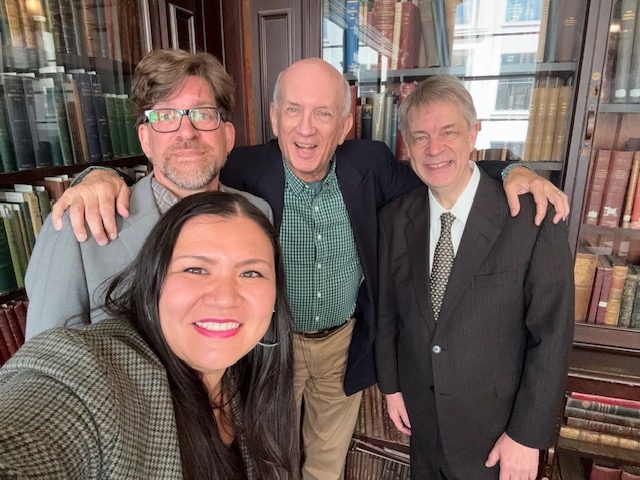
The summit reaffirmed that peace is not merely an ideal but something built through sustained dialogue, mutual trust, and engagement with real-world challenges. Holding the discussions in Belfast—a city whose history reflects both conflict and reconciliation—provided participants with a meaningful context for reflecting on the possibilities of music in fostering peaceful societies.
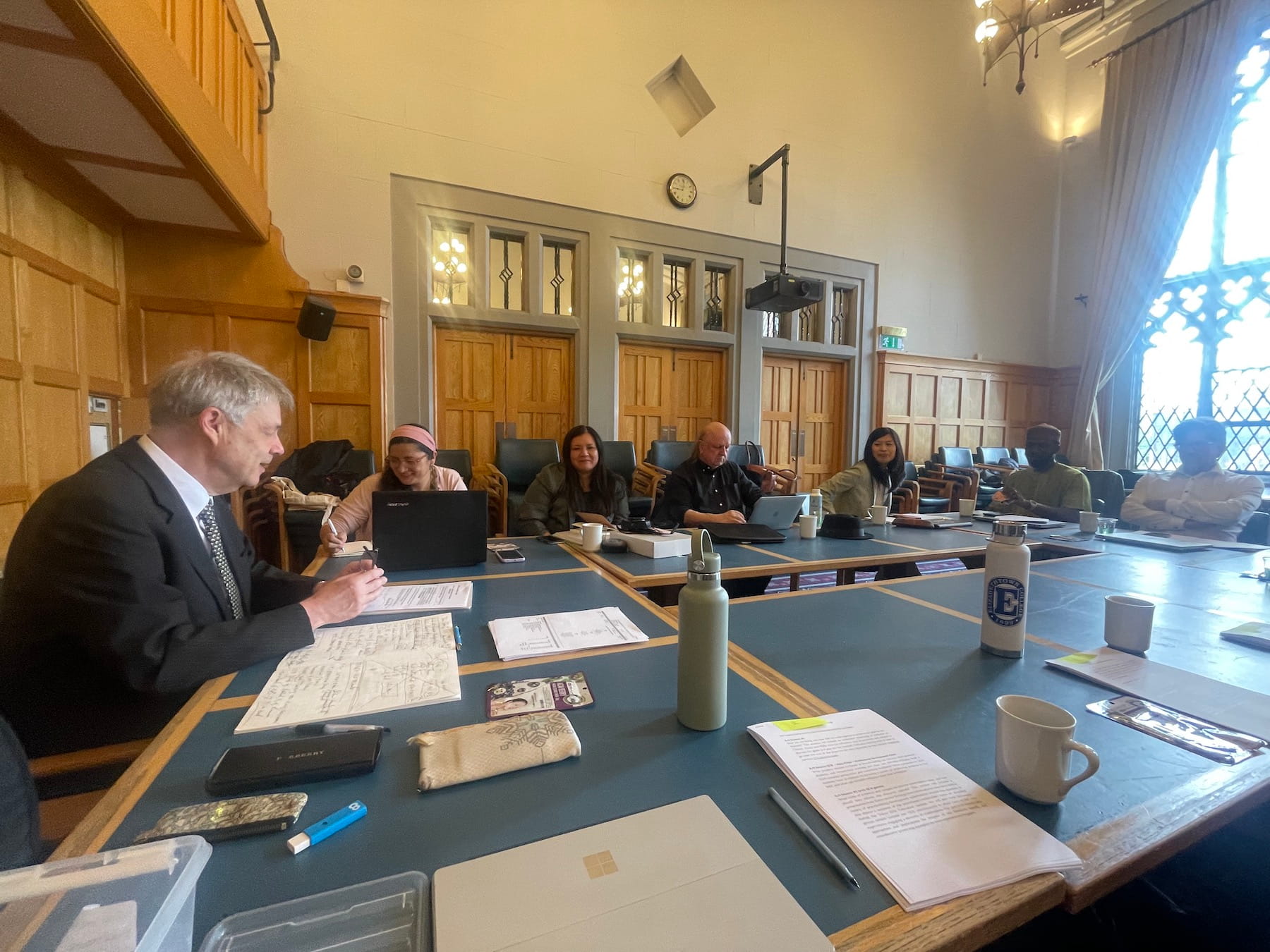
Building on the research agenda established at the summit, MOMRI will continue developing research methodologies for understanding violence and social division, conducting interviews with peace practitioners, promoting action research, and formulating recommendations for researchers and practitioners. Through initiatives including the MOMRI Dialogue Network and MOMRI Hub, the institute will continue sharing research and practical knowledge from around the world while strengthening the international foundation of Music in Peacebuilding research.
MOMRI will continue to strengthen collaboration with researchers and practitioners around the world. Through research and practice in Music in Peacebuilding, the institute remains committed to fostering dialogue and trust among people and contributing to the development of a culture of peace.