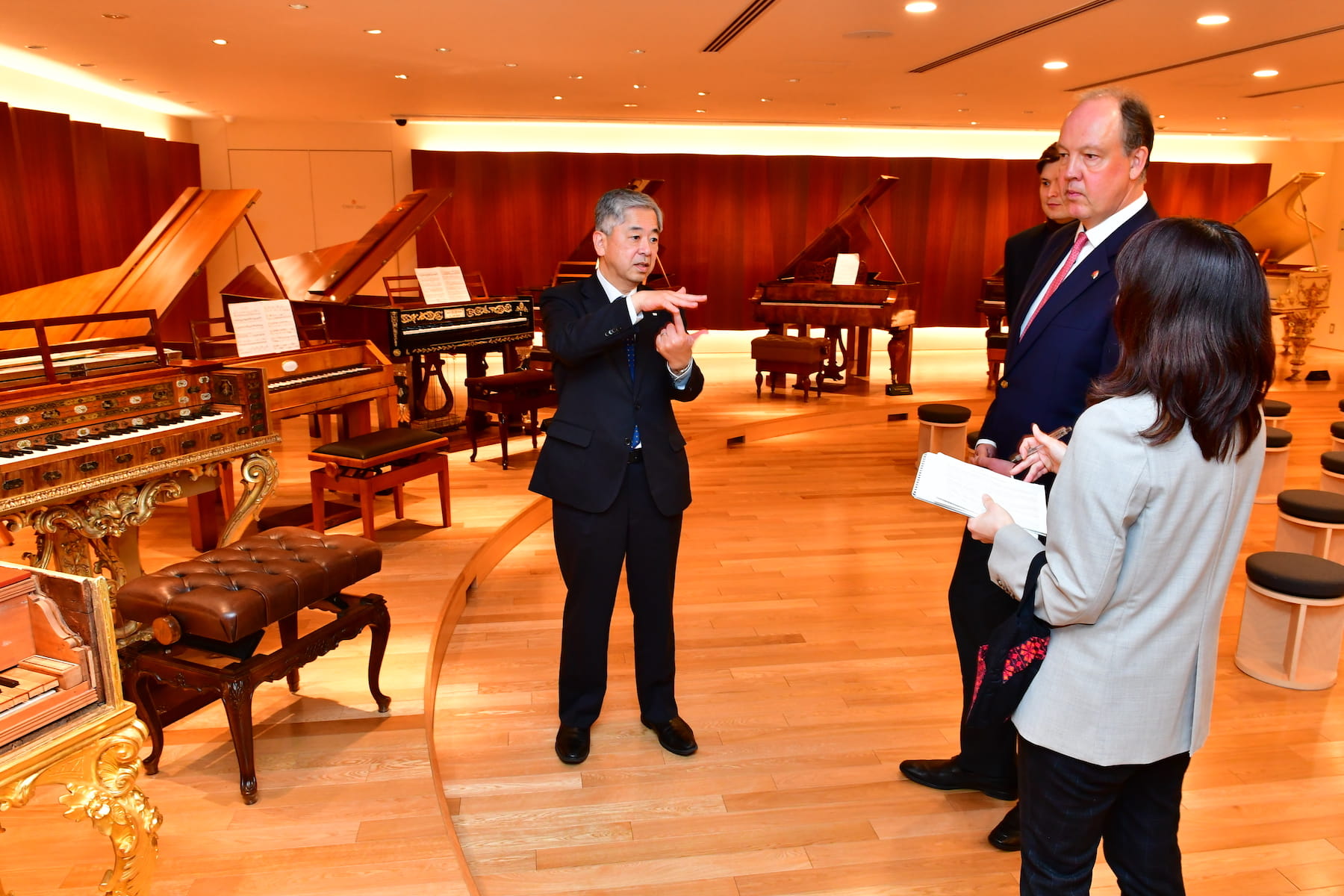
Welcome to Min-On’s Music Journey! Today, together with the staff of the Embassy of the Republic of Belarus in Japan, we invite you to join us on a journey to the Republic of Belarus, a landlocked country in Eastern Europe.
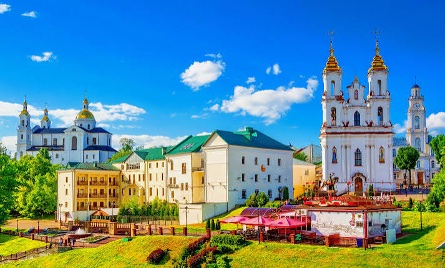
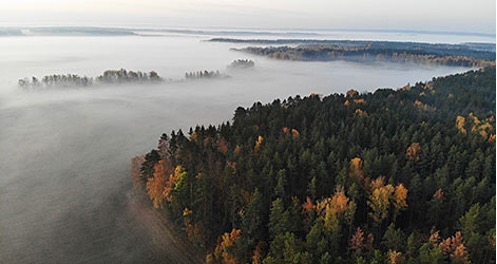
Belarus is a beautiful country of deep forests and lakes spread across broad plains formed during the Ice Age.
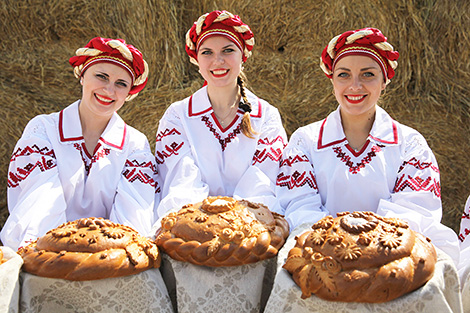
Join us as we explore Belarus through its music.
| Belarus Travel Guide
・Discover the arts and culture of Belarus, birthplace of Marc Chagall |
Belarus: Land of art and birthplace of Chagall
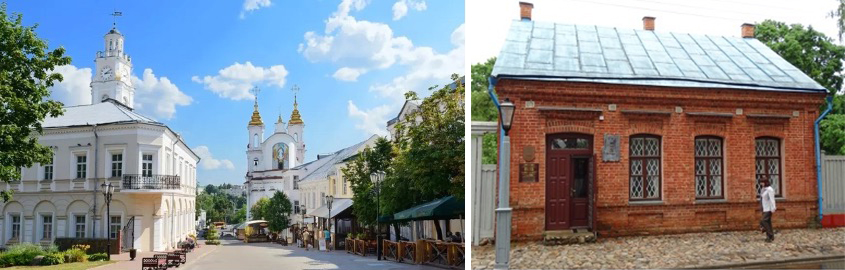
Marc Chagall, a leading artist of the 20th century, was born in Vitebsk, a city in northern Belarus. Vitebsk was not only his hometown but also a place of great personal significance, for it was here that he met Bella, the woman who would become his beloved wife. Even after leaving the city in 1920, Chagall continued to feature Vitebsk as a major motif in his work throughout his life.
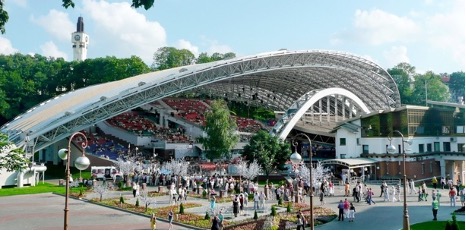
Slavianski Bazaar International Festival of Arts
Held annually in Vitebsk, the International Arts Festival Slavianski Bazaar is one of Belarus’ foremost cultural events.
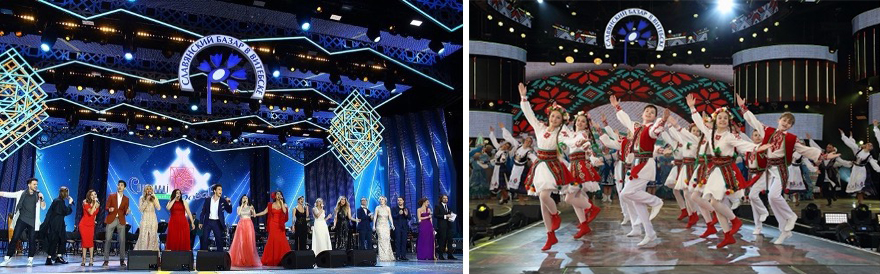
Under the motto “Through Art to Peace and Mutual Understanding,” the festival brings together a broad spectrum of the arts, including music, performing arts, film and traditional crafts, offering visitors a wonderful opportunity to experience contemporary Belarusian culture.
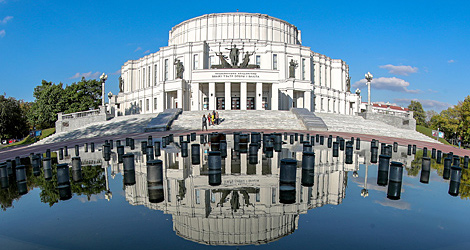
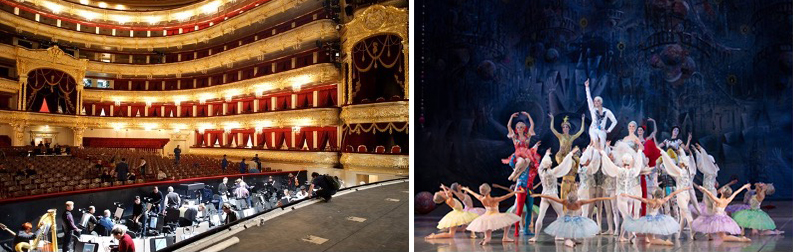
National Academic Bolshoi Opera and Ballet Theatre
One of the largest theatres in Europe, the National Academic Bolshoi Opera and Ballet Theatre has a long history dating back to its establishment in 1933 and has staged some 20,000 performances over the years.
In Japan, the theatre is also known for Japanese ballet dancer Takatoshi Machiyama, who became its first foreign dancer to be appointed principal, the highest rank in a ballet company.
Here, we invite you to enjoy the Belarusian folk song “Oh, Two Oak Trees on the Hill,” performed by the Radzimichy People’s Ensemble, which Min-On invited to Japan in 2006.
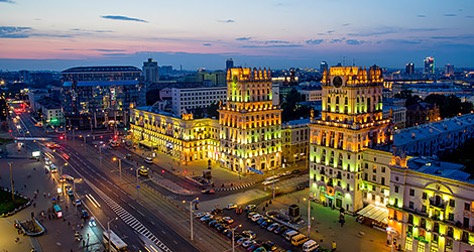
Minsk: A well-planned modern capital
Extensively rebuilt after World War II, the Belarusian capital of Minsk is a modern city developed according to a carefully conceived urban plan.
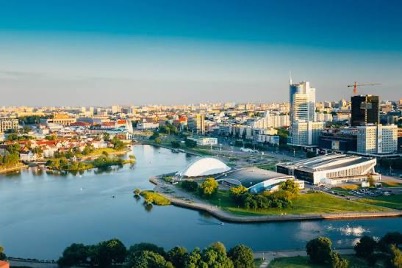
Although it is home to more than 20% of the country’s population, its extensive transport network also makes it a convenient city for visitors to explore.
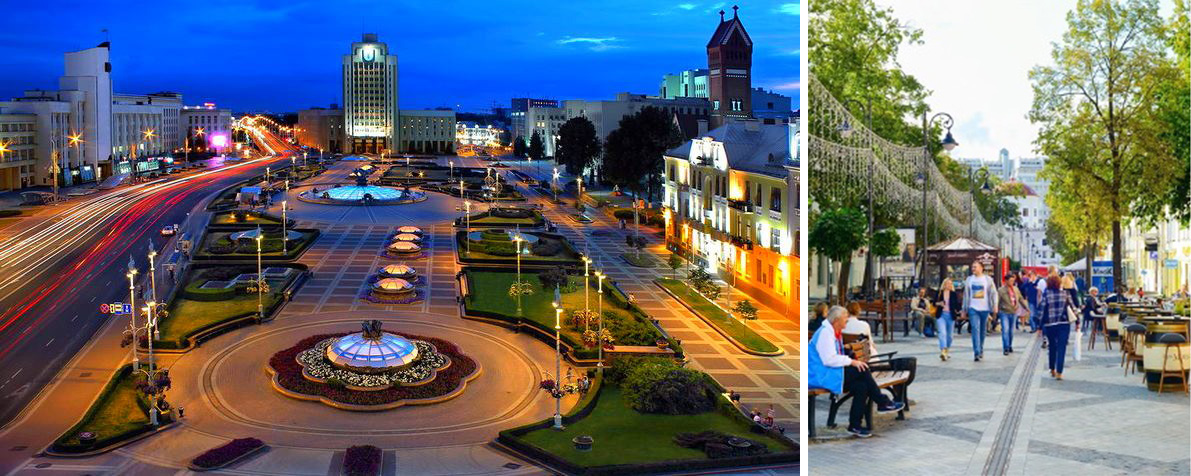
Independence Square and its underground shopping mall
North of Minsk railway station lies Independence Square, one of the largest squares in Europe. Imposing buildings, including the Government House of Belarus and a church, flank the square. Beneath it lies an enormous underground shopping mall, offering plenty of opportunities to shop.
Diverse cultural attractions and historic districts
A little farther from the city center are a number of cultural attractions, including the National Academic Bolshoi Opera and Ballet Theatre and the strikingly shaped National Library of Belarus.
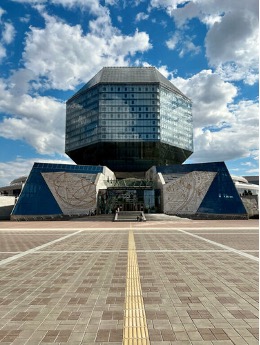
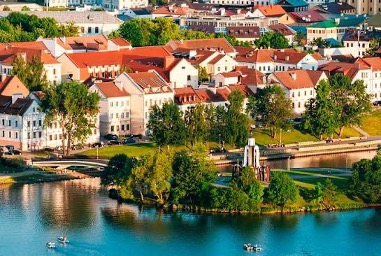
Minsk is also notable for its historic streetscapes. These include Trinity Suburb, which has been restored to evoke the Minsk of the 19th century, and Upper Town, home to a concentration of historic buildings.
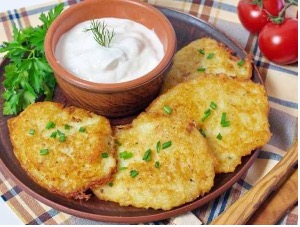
Draniki: Belarusian Potato Pancakes
No visit to Belarus would be complete without trying draniki, a dish widely regarded as a national favorite. Made from grated potatoes, these pancakes offer an irresistible contrast between their crisp exterior and soft, chewy center. They are traditionally served with sour cream, but can be enjoyed in many variations, including with cheese sauce or apple sauce.
Here, once again from Min-On’s 2006 performances, we invite you to enjoy “The Reed Pipe,” a traditional polka dance.
Spectacular nature and World Heritage Sites
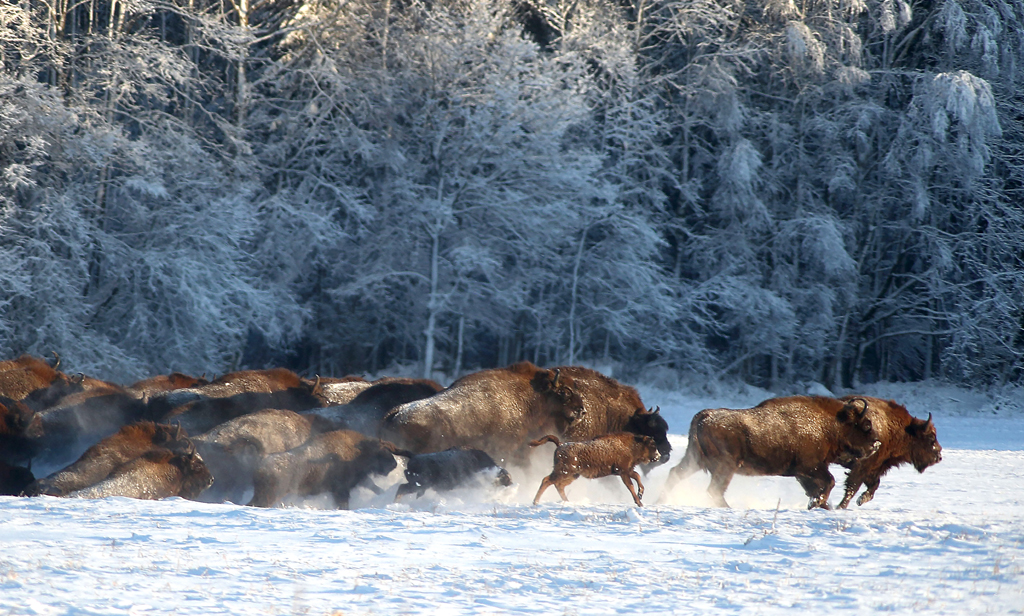
Around 40% of Belarus is covered by forest, making it a country rich in natural beauty. The north is characterized by deep forests and lakes, while extensive wetlands spread across the south, providing habitats for a diverse array of wildlife.
Northwest: Braslav Lakes National Park
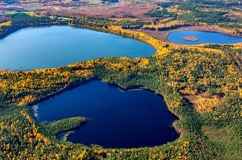
A national park of beautiful forests and crystal-clear lakes.
West: Belovezhskaya Pushcha National Park
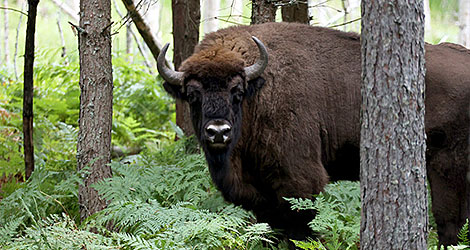
Part of the UNESCO World Heritage-listed Białowieża Forest and home to a wealth of wildlife including European bison and more than 250 species of birds.
South: Pripyatsky National Park
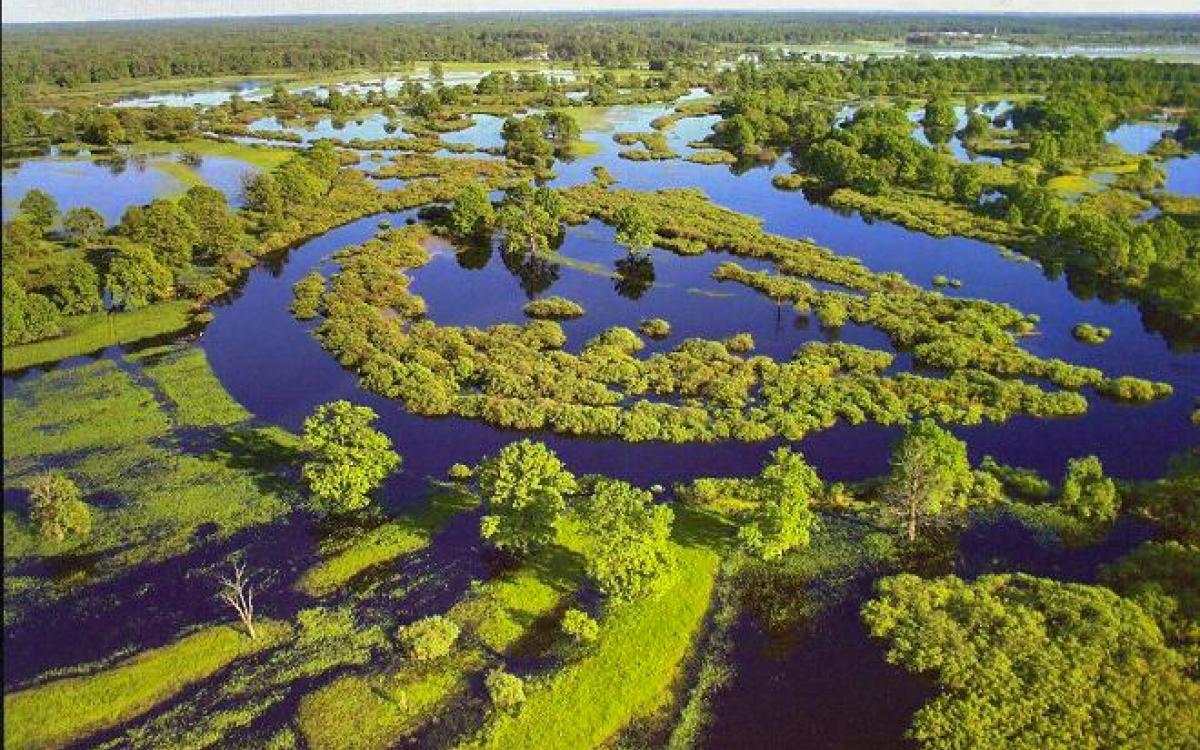
A national park protecting wetlands, floodplains, forests and other ecosystems in the basin of the Pripyat River.
Mir Castle
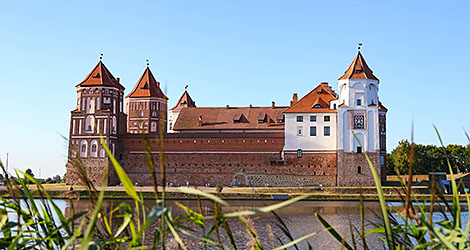
Around two and a half hours west of Minsk by bus stands the UNESCO World Heritage-listed Castle Complex of Mir. The combination of Gothic, Renaissance and Baroque architectural styles, together with the stucco ornamentation of its exterior walls, gives the complex its distinctive character.
Architectural, Residential and Cultural Complex of the Radziwill Family at Nesvizh
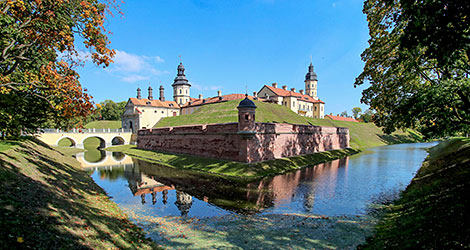
This cultural heritage site comprises a palace, churches, gardens and other buildings associated with the prominent Radziwill family. Incorporating Western European architectural traditions, the complex exerted considerable influence on architecture and culture across Central and Eastern Europe.
The musical culture of Belarus
Belarusian music is believed to have developed from the traditions of East Slavic folk music. The country has a rich musical heritage deeply intertwined with people’s everyday lives, from seasonal festivals and agricultural work to weddings. Over the course of its history, Belarus also developed traditions of church music and urban musical culture.
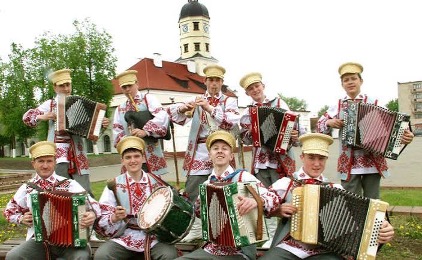
Traditional Belarusian instruments include the duda (bagpipe), zhaleika (wind instrument), hudok (bowed string instrument) and tsymbaly (hammered string instrument).
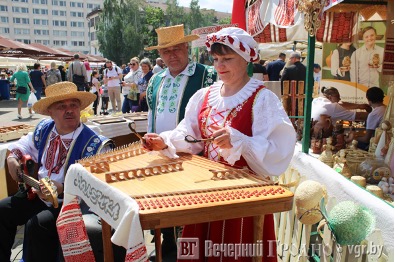
The tsymbaly in particular is one of the country’s most representative traditional instruments. Introduced to Belarus in the 16th century, it has historically been played in settings including courts and churches. In the following video, enjoy the sparkling sound of the tsymbaly, together with a display of breathtaking virtuosity.
| A souvenir from your journey: Straw weaving
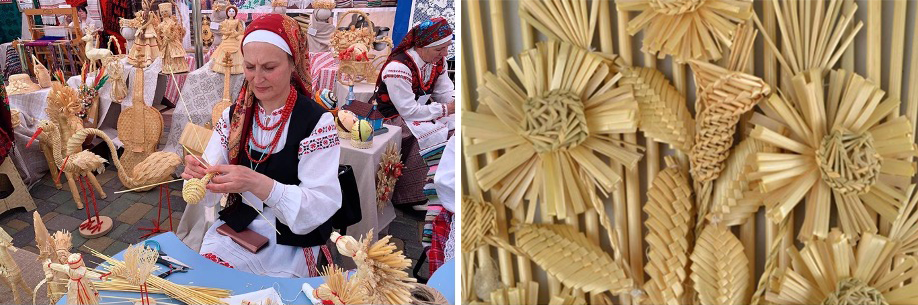
Belarusian straw weaving was inscribed on UNESCO’s Representative List of the Intangible Cultural Heritage of Humanity in 2022. Requiring exceptional skill, the craft is used to create boxes, mosaic-style pictures and other objects featuring remarkably intricate patterns and designs, giving each piece a distinctive beauty unlike anything else.
|
To conclude our journey, please enjoy these performances by musicians recommended by the Embassy of the Republic of Belarus in Japan.
- Pesniary – Kosil Jas’ konjushinu
- Leprikonsy – Hali-Gali, paratrooper
- Kupalinka – Belarusian Folk Song (Pesniary)
- Verasy – Malinovka
- IOWA – Beat
What did you think of your music journey to Belarus? There are still many more places to explore on our musical journey. We hope you’ll join us again for our next destination!
Produced in collaboration with the Embassy of the Republic of Belarus in Japan, who also provided photos.
Min-On Concert Association
-Music Binds Our Hearts-