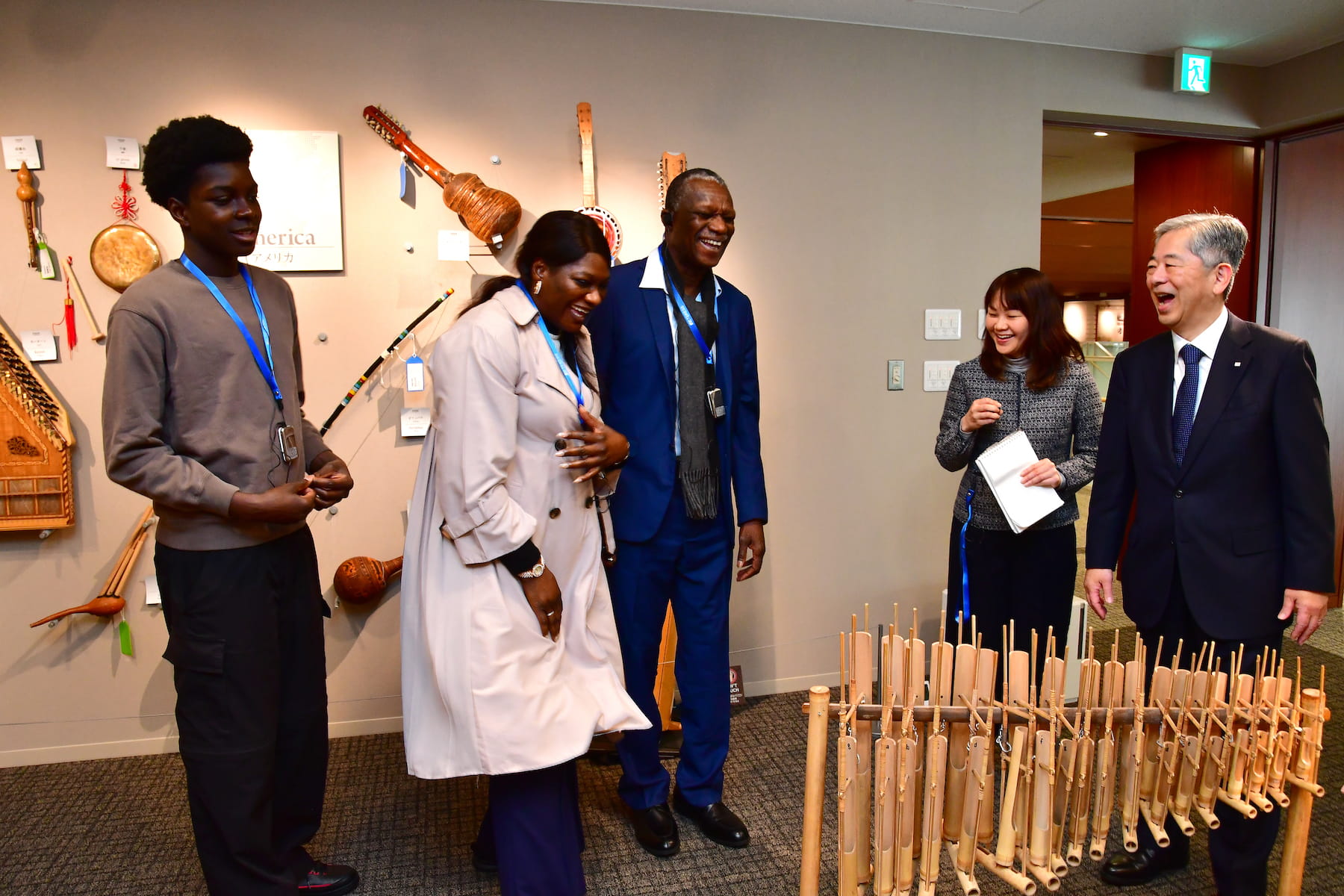
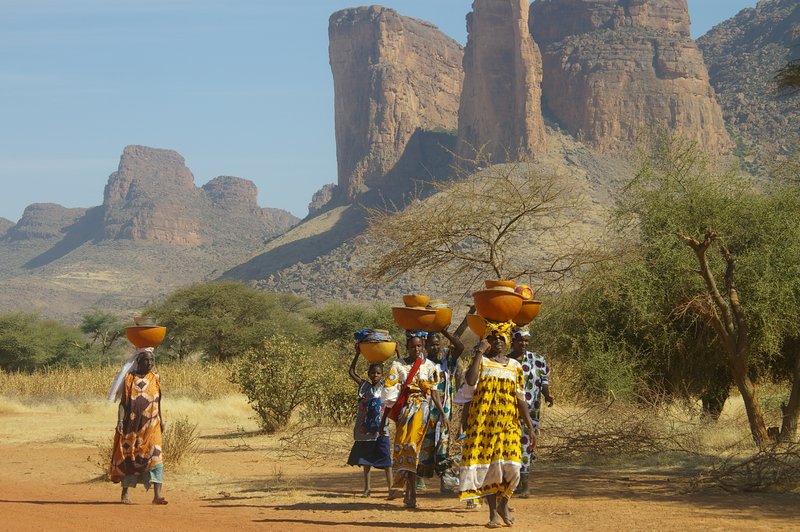
Welcome to Min-On’s Music Journey! Today we’re traveling to the Republic of Mali, located in West Africa, together with the staff of the Embassy of the Republic of Mali in Japan.
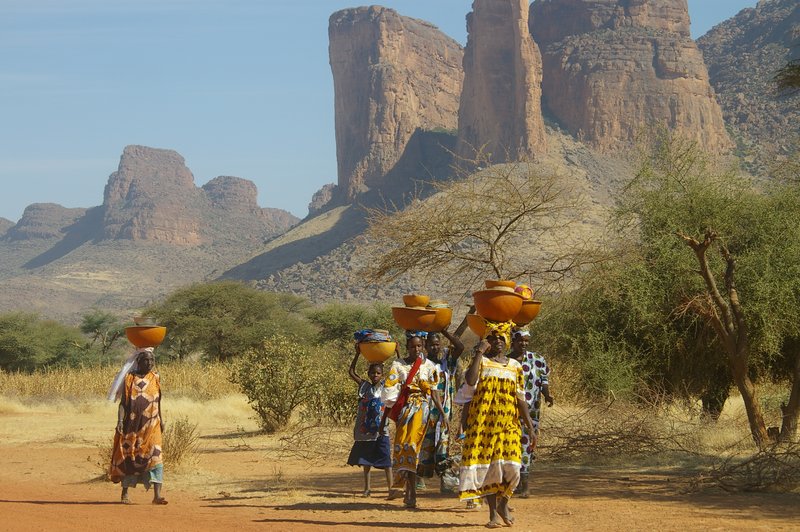
Mali is considered the birthplace of Africa’s oldest established state, with a history dating back to around the 3rd century. Although landlocked, it has served as a crucial hub for West African trade through the Niger River which flows through its territory.
• Learn about Mali’s history and culture at the National Museum of Mali in Bamako
• Discover the wisdom of Malian society in « Senankuya » joking relations
• Experience the griot tradition and the sound of the kora
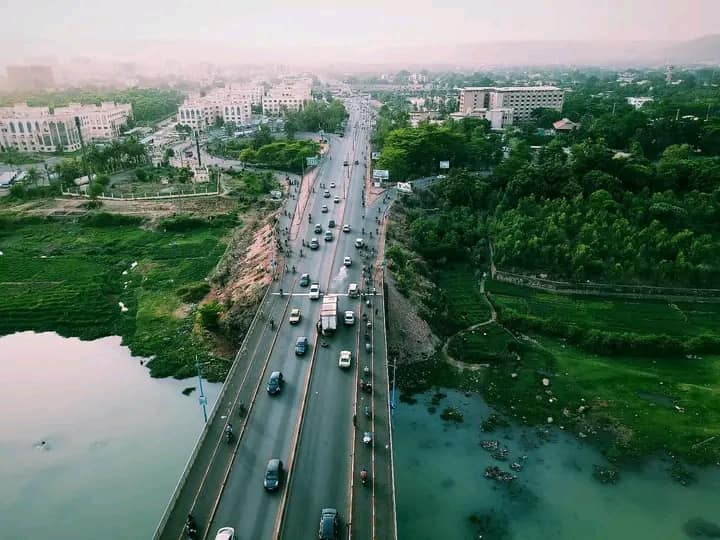
Bamako, a capital in harmony with the Niger River
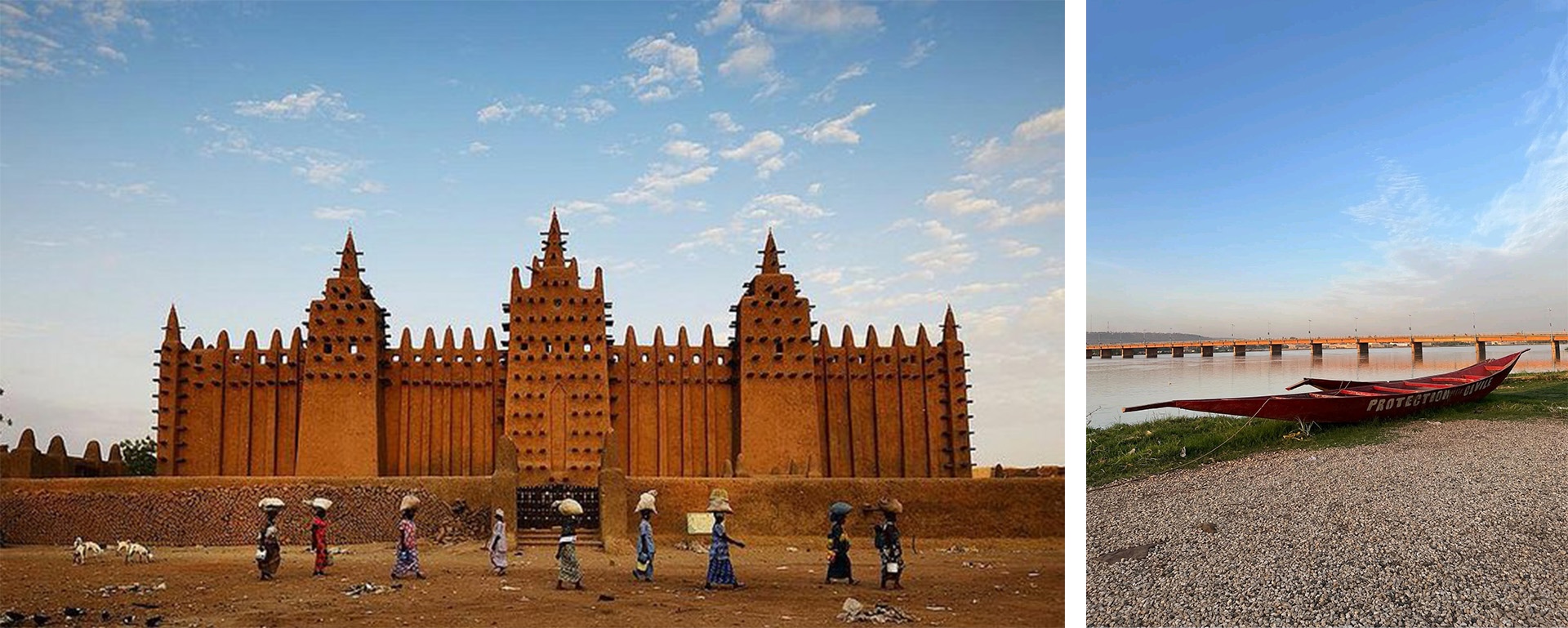
Bamako, the capital in the southwest, is Mali’s political and economic center. The Niger River flows through the heart of the city, long serving as a water source and trade route, while the surrounding wetlands support livelihoods through fishing, agriculture and pastoralism. Bamako’s urban design also unfolds across the river, contributing to its influence on daily life and the cityscape.
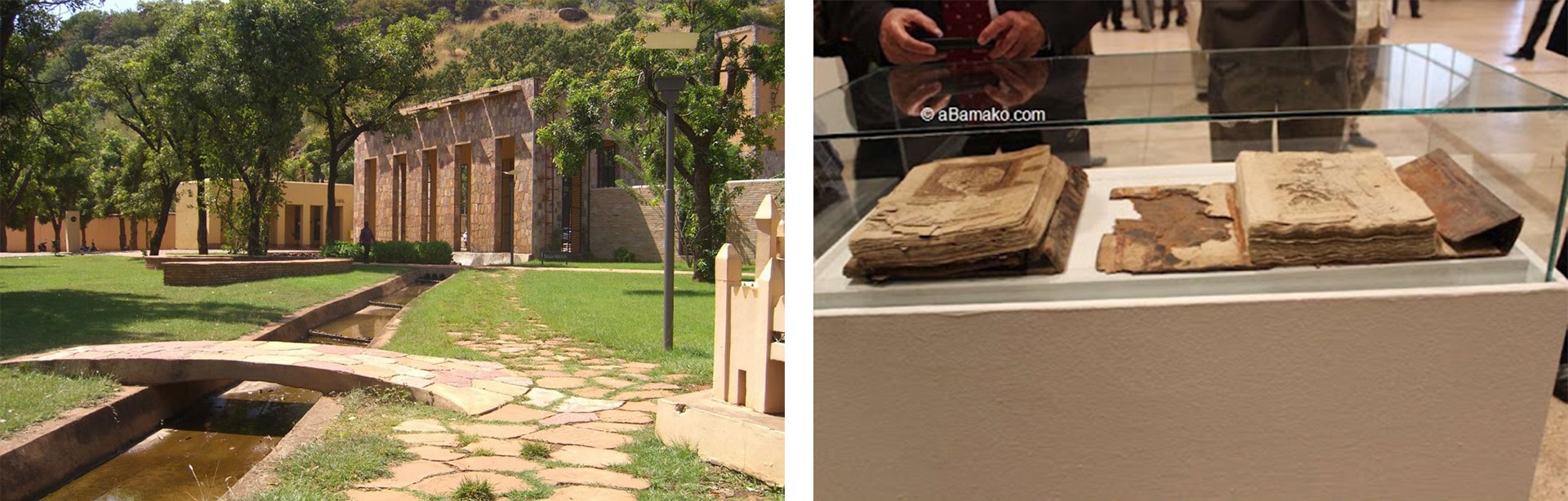
Bamako is home to the National Museum of Mali, where visitors can learn about the country’s history and culture, showcasing its role as an African cultural hub. The African Photography Encounters (Bamako Photography Biennale) is an international event focused on photography and film, renowned as a space for international exchange with a history of over 30 years.
Life and culture in Mali: Living together on earth
City of academia: Timbuktu
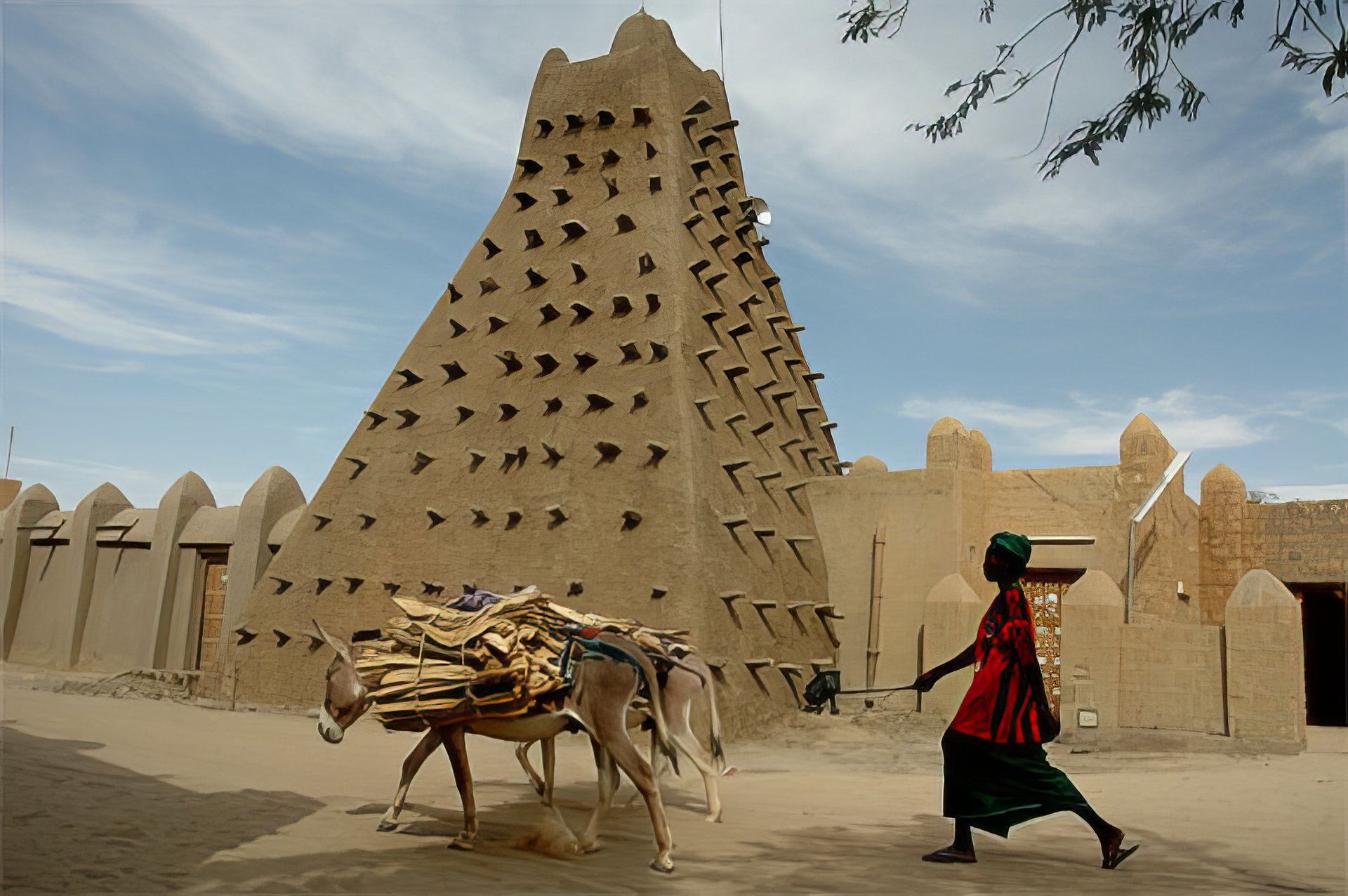
Timbuktu is believed to have been founded around the 11th century, serving as a crucial hub during the medieval Mali Empire and Songhai Empire. In the Middle Ages, it flourished through the trade of salt and gold while also becoming a city of academia, attracting scholars and learning from the Islamic world.
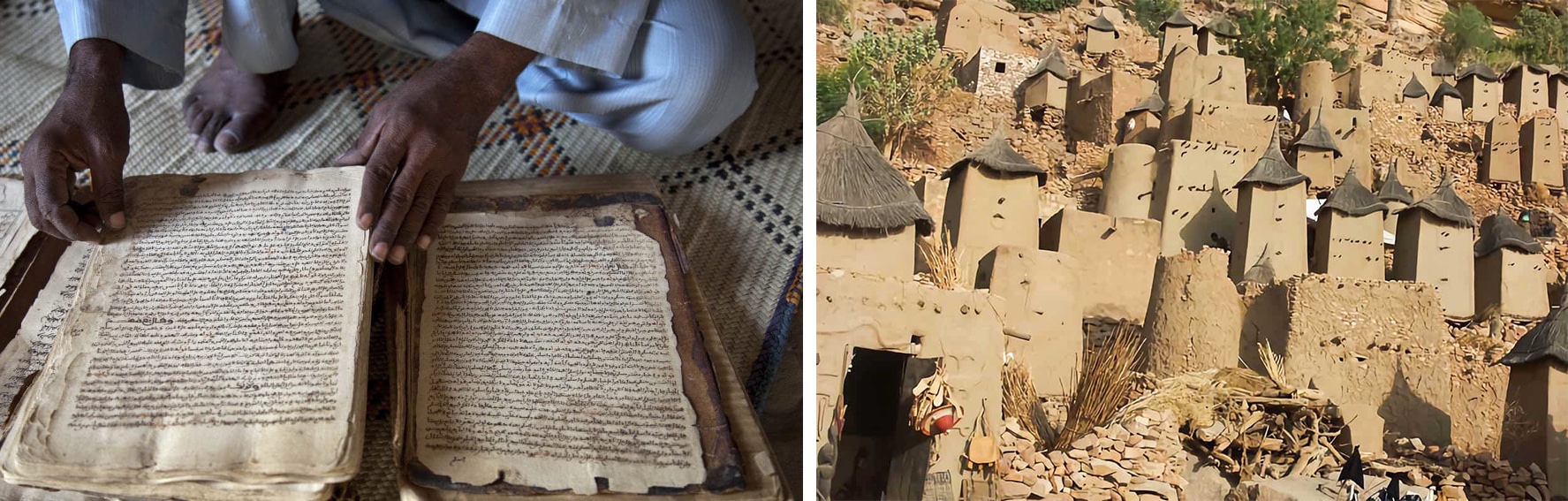
Timbuktu developed around the University of Sankore, Africa’s oldest university. Due to its significant historical value, Timbuktu was inscribed as a World Heritage Site in 1988.
Culture of earth and mud
A defining feature of Mali’s historic cities is their architectural style using sun-dried bricks and mud. While mud as a building material requires maintenance like re-plastering, it excels in insulation and humidity regulation, making it well suited to Mali’s climate.
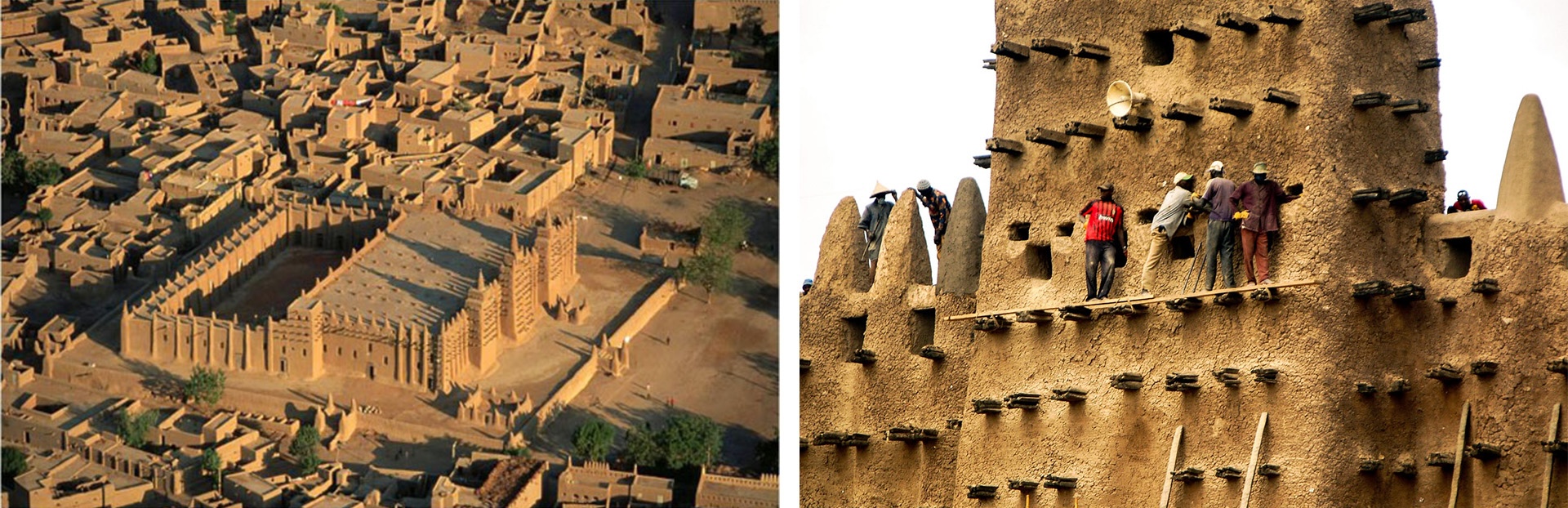
The mud-built Great Mosque in the Old Towns of Djenné, also a World Heritage site, is often called the « Mud Mosque » due to the unique façade created by its construction. Residents collectively reapply the mud coating before the rainy season, and maintaining this style of architecture is a prominent cultural practice in the community.
Senankuya is a custom where ritualized « joking relations » are held within specific families or groups. Sometimes touching on topics seen as dark humor, like status or birth, the joking relations are seen as proof of healthy bonds. Senankuya is a form of social wisdom that eases conflict by building relationships where people can deliberately joke around.
Mali’s musical culture
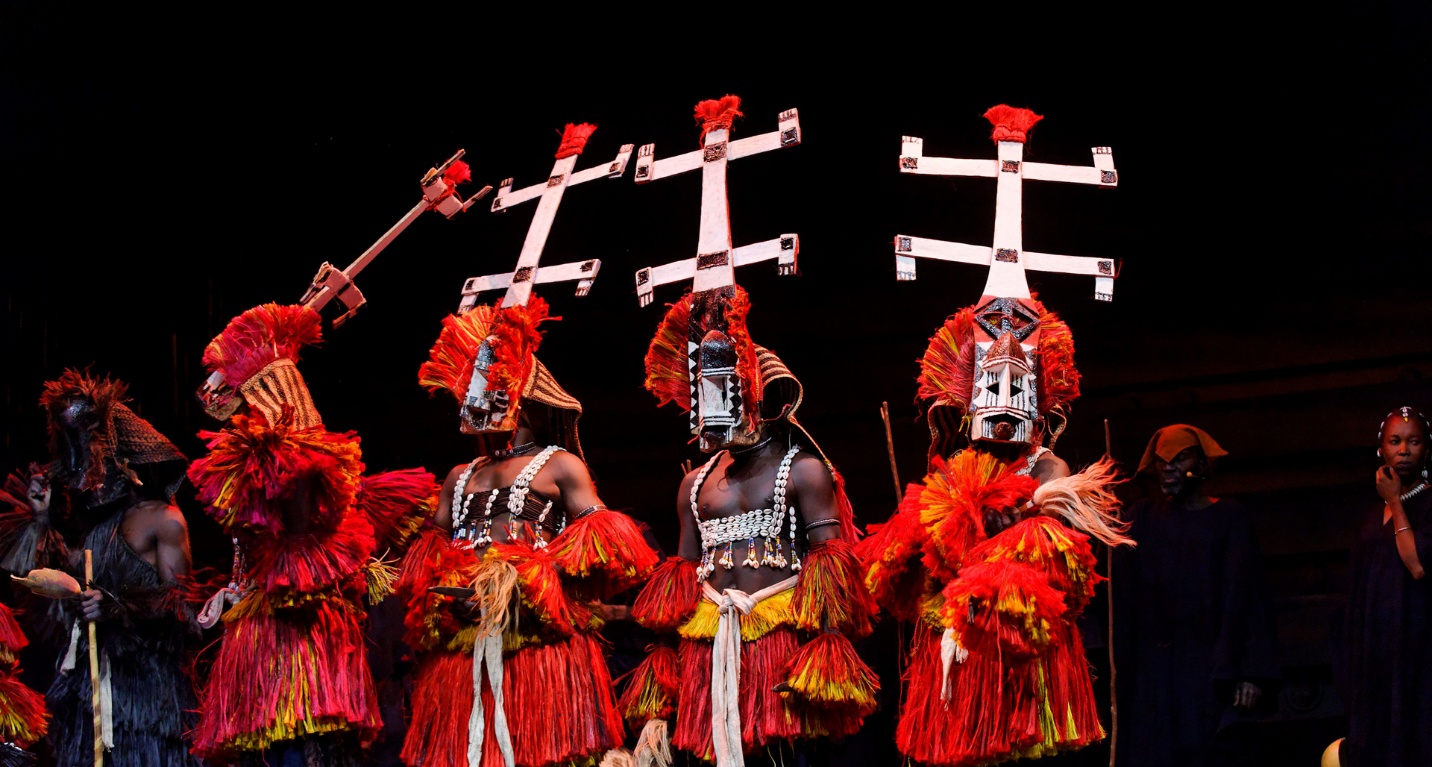
Mali possesses a unique musical culture cultivated over its long history.
The griot: Chosen storytellers passing down oral history
An indispensable element to Malian culture is the time-honored heritage and profession of the griot. A griot is a socially recognized occupation that has served to pass down West African history and stories, sometimes sharing them with the world.
Even today in Mali, the songs and traditional instrument performances of the griot play a vital role in celebrations, ceremonies and parties.
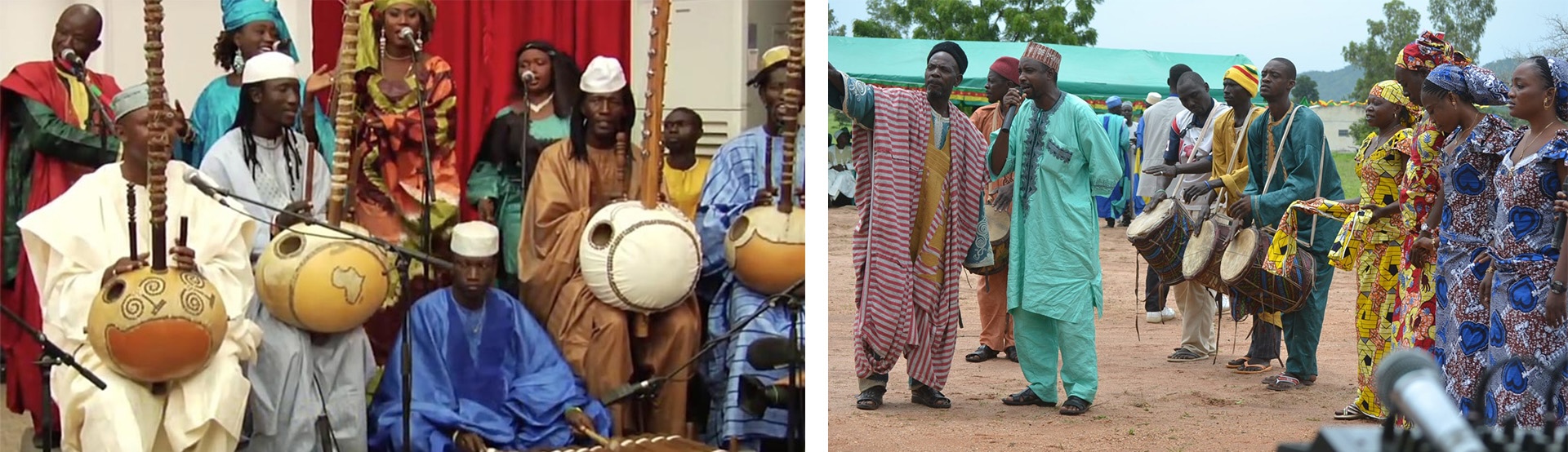
Diverse traditional instruments
Mali boasts numerous distinctive traditional instruments, and the kora, djembe and asalato are also on display in the Min-On Music Museum.
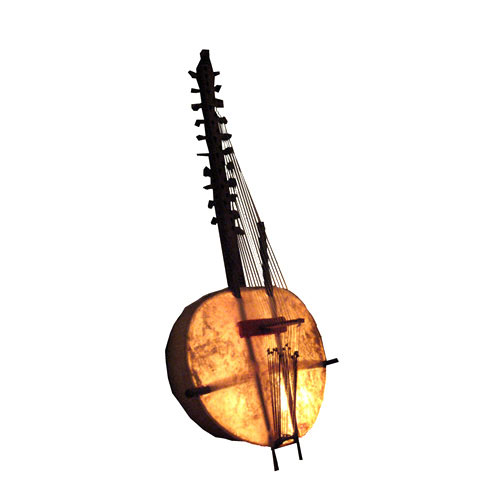
| Kora
|
21-string West African lute, and representative accompaniment instrument for griots |
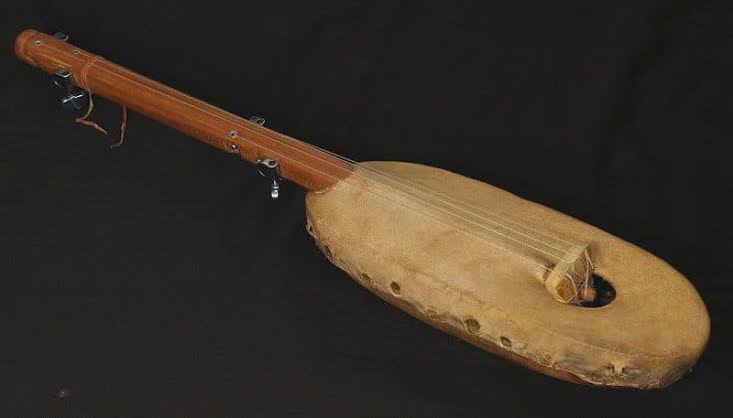
| Ngoni
|
Plucked string instrument from West Africa. The shape varies by region and purpose; also used by griots |
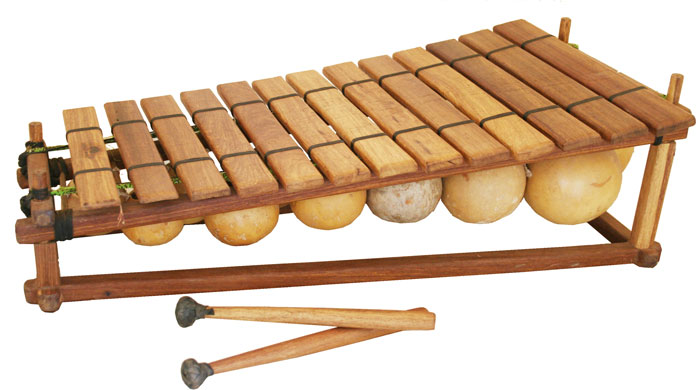
| Balafon
|
Xylophone with a gourd resonator |
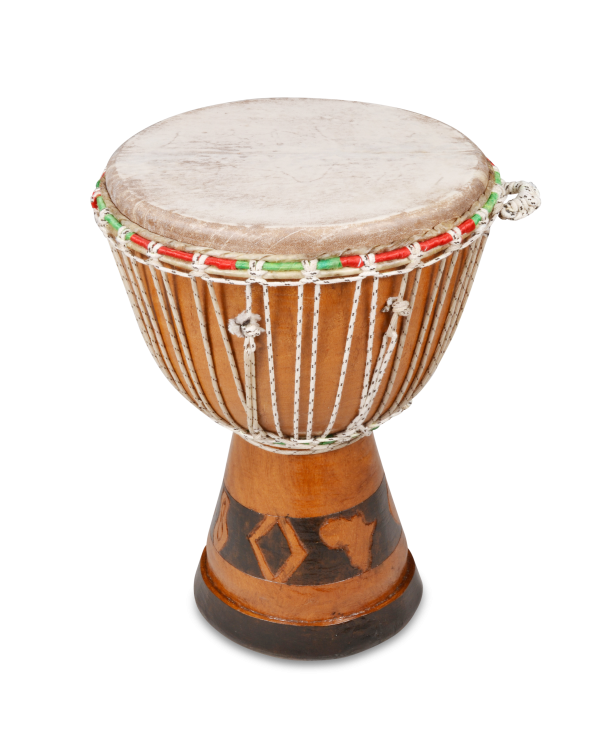
| Djembe
|
Goblet-shaped hand drum symbolizing West African drum culture |
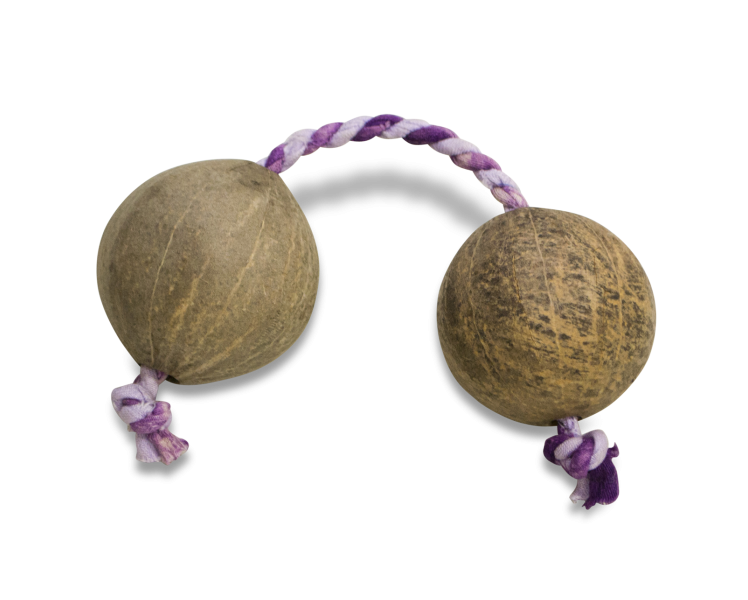
| Asalato
|
Body-resonance instrument consisting of two small gourds or similar shells connected by a string |
Mali’s « Desert Blues »
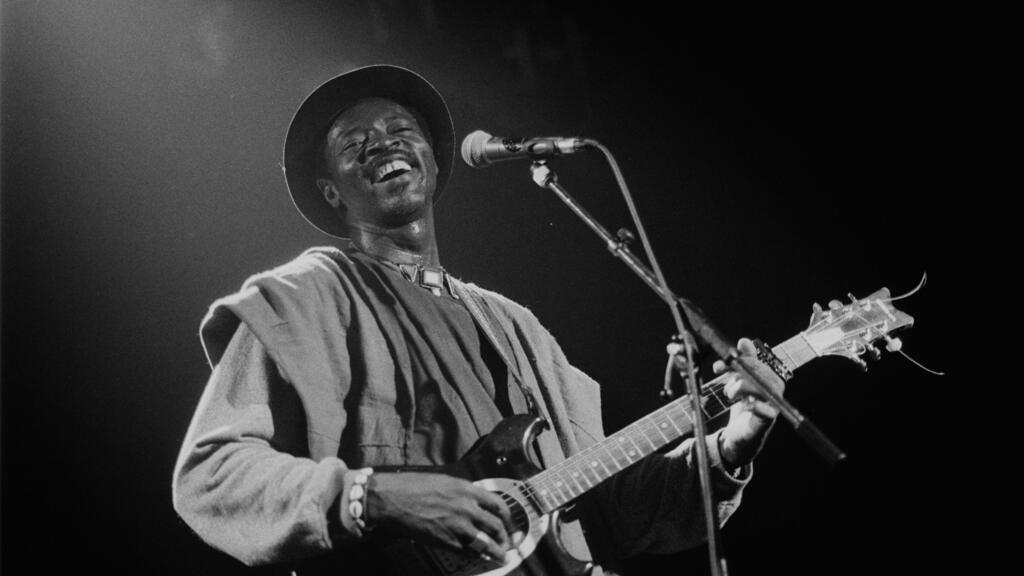
Guitar music from northern Mali and the Sahel region is known as « Desert Blues. » This musical style blends the region’s traditional music with blues and rock. Desert Blues guitarist Ali Farka Touré has won multiple Grammy Awards for his diverse body of work.
In recent years, the band Songhoy Blues, born from this genre, has also gained international attention. Named after the Songhai people, their lyrics centered around the Songhai language, African rhythms and original sound have unique and powerful appeal.
To conclude our journey, please enjoy some performances by musicians recommended by the Embassy of the Republic of Mali in Japan.
- Ali Farka Touré & Ry Cooder – Ai Du
- Oumou Sangaré – Bi Furu
- Salif Keita – Mali Denou
What did you think of your music journey to Mali? There are still many more places to go! Please look forward to our next destination.
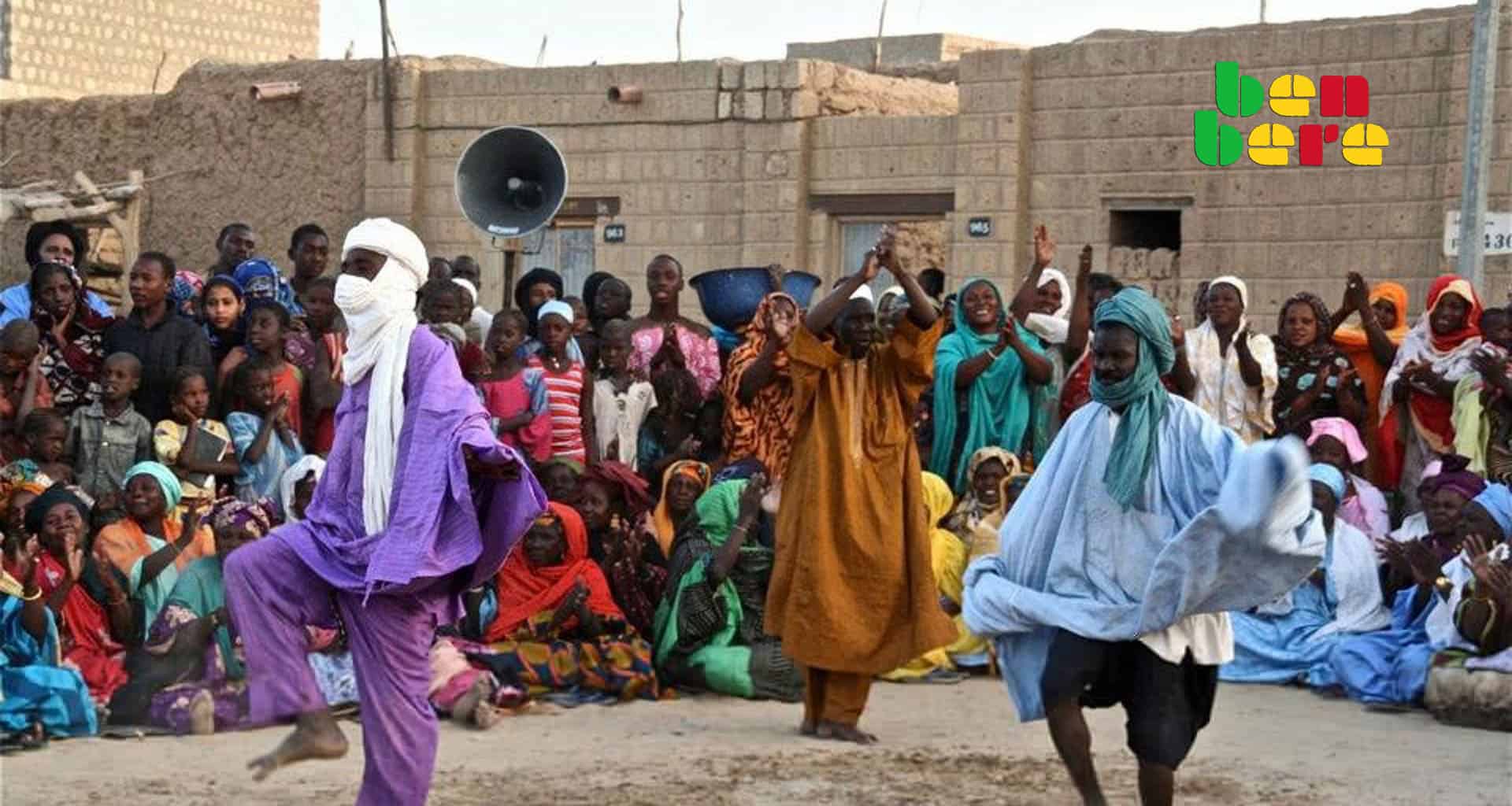
(Produced in collaboration with the Embassy of the Republic of Mali in Japan, who also provided photos.)
Min-On Concert Association
–Music Binds Our Hearts–